

YogAnga Retreat
Schedule & Dates
Courses & Schedule at YogAnga Retreat
YogAnga Retreat at Sri Santosh Puri Ashram offers a range of residential Yoga and Ayurveda courses throughout the year. Rooted in traditional teachings, these programs support both study and direct experience within an authentic ashram environment.
Courses are scheduled according to the lunar cycle (Hindu calendar), creating a natural rhythm for practice and learning. Guests may join specific courses, come for a personal or silent retreat, or simply follow the daily routine of the ashram.
Life at the ashram is closely connected to the rhythm of traditional Indian festivals. You may choose to plan your stay to coincide with these moments. Key festival dates are included in the schedule below.
Explore the different courses below, and scroll down to view upcoming dates and schedule.
Residential Courses and Retreat Descriptions
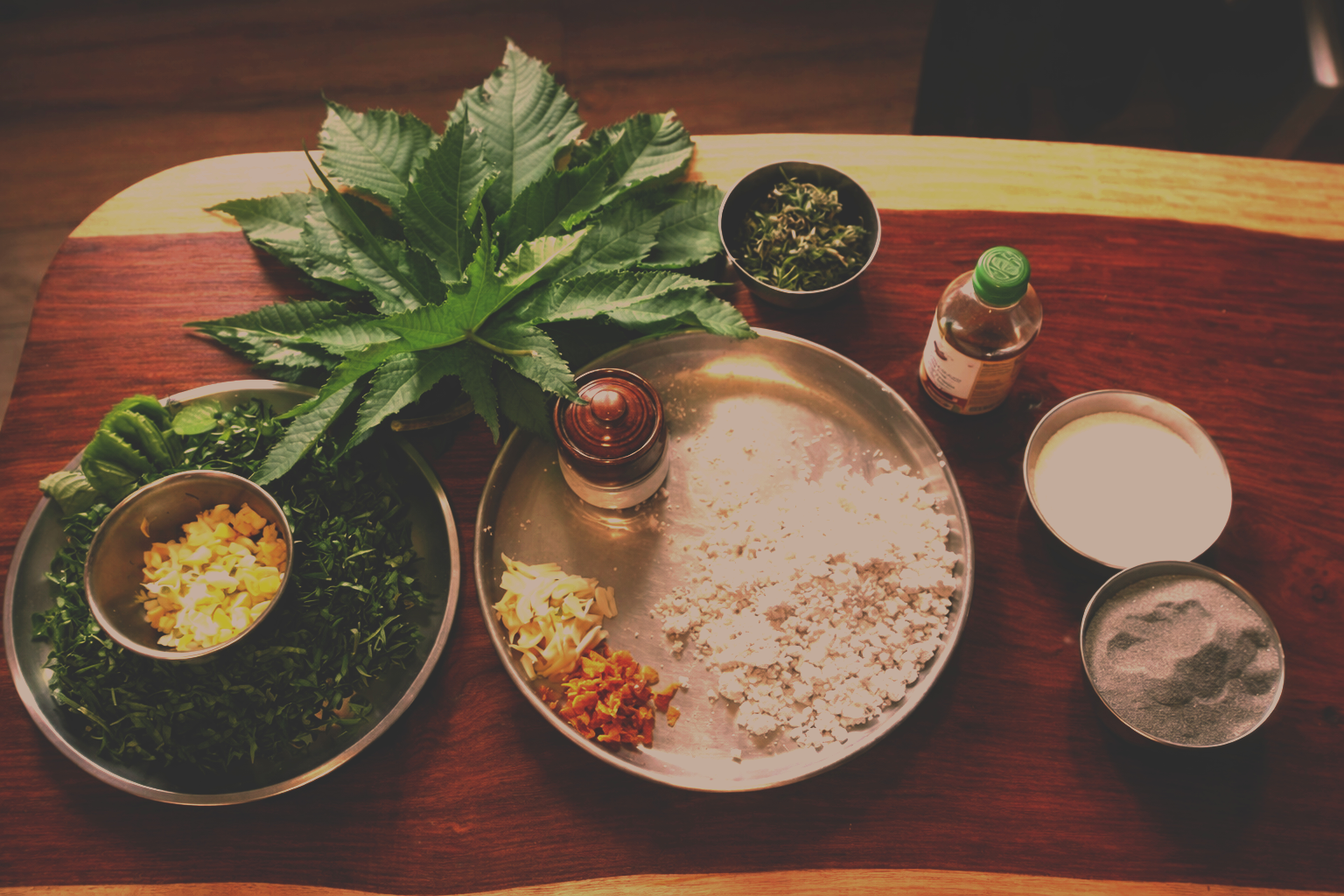
Ayurveda One Month Residential Intensive Training Certificate Course
Sanskrit scriptural foundation meets real life relate-ability, where you will learn the basics of principals, diagnosis, treatments, medicinal plants & preparing medicine, in this One Month Intensive Ayurveda Certificate Residential Training Course.
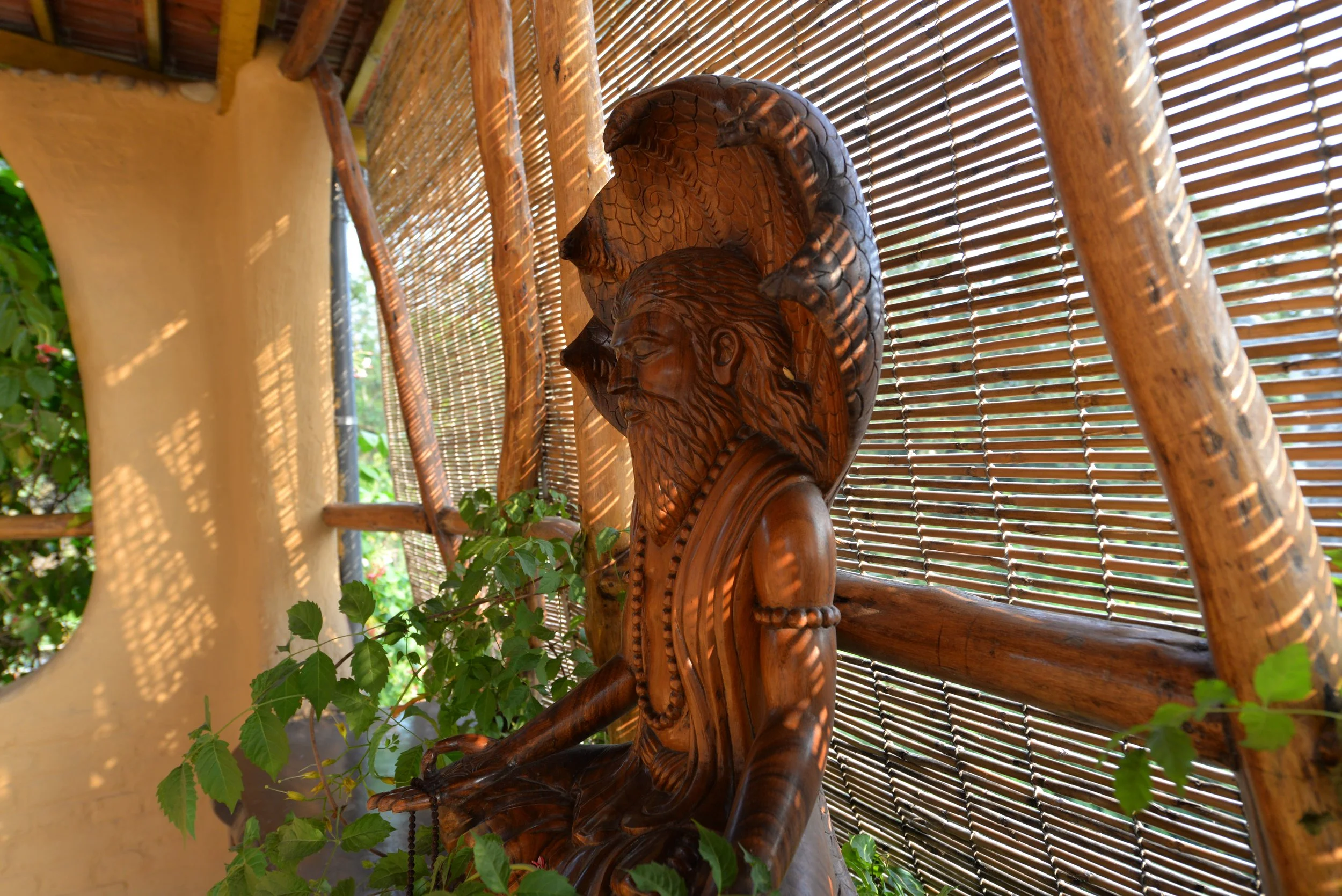
Patanjali Yoga Sutras Lecture Courses
Patanjali Yoga Sutras Philosophy lecture course with Ganga Puri gives an introduction to Jñana Yoga in four chapters: Samadhi, Sadhana, Vibhuti, and Kaivalya. Take your yoga practice to the next level by gaining a deeper understanding of the eight limbs of yoga.
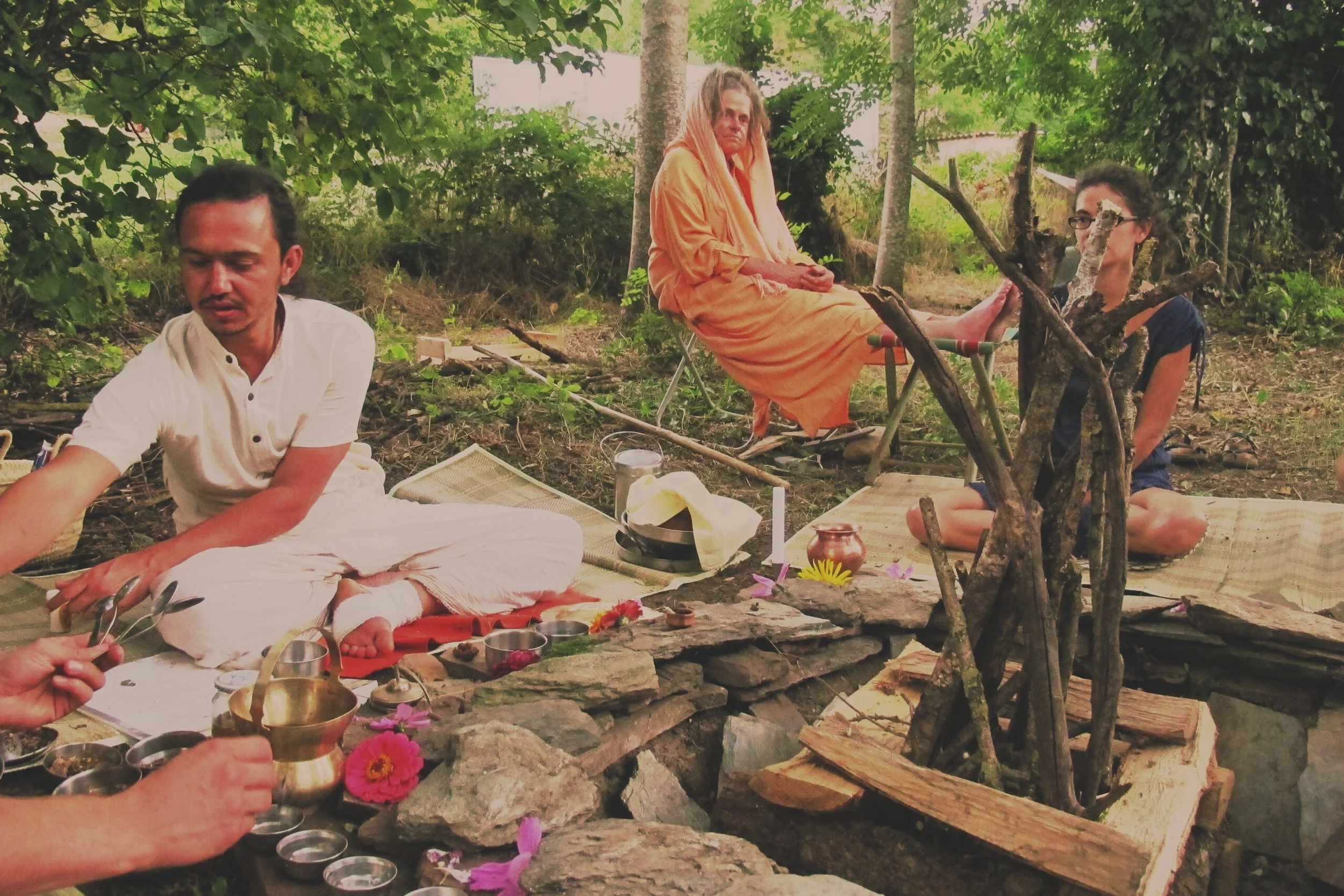
YogAnga Retreat France, at St Izaire
YogAnga Retreat France: Ananda Mataji Hermitage at St Izaire carries the spirit of Santosh Puri Ashram, from the banks of the Ganga River all the way to the banks of the Dourdou de Camares River in the South of France. For our European Friends who can't travel all the way to India, but miss the daily routine of a sadhana retreat.
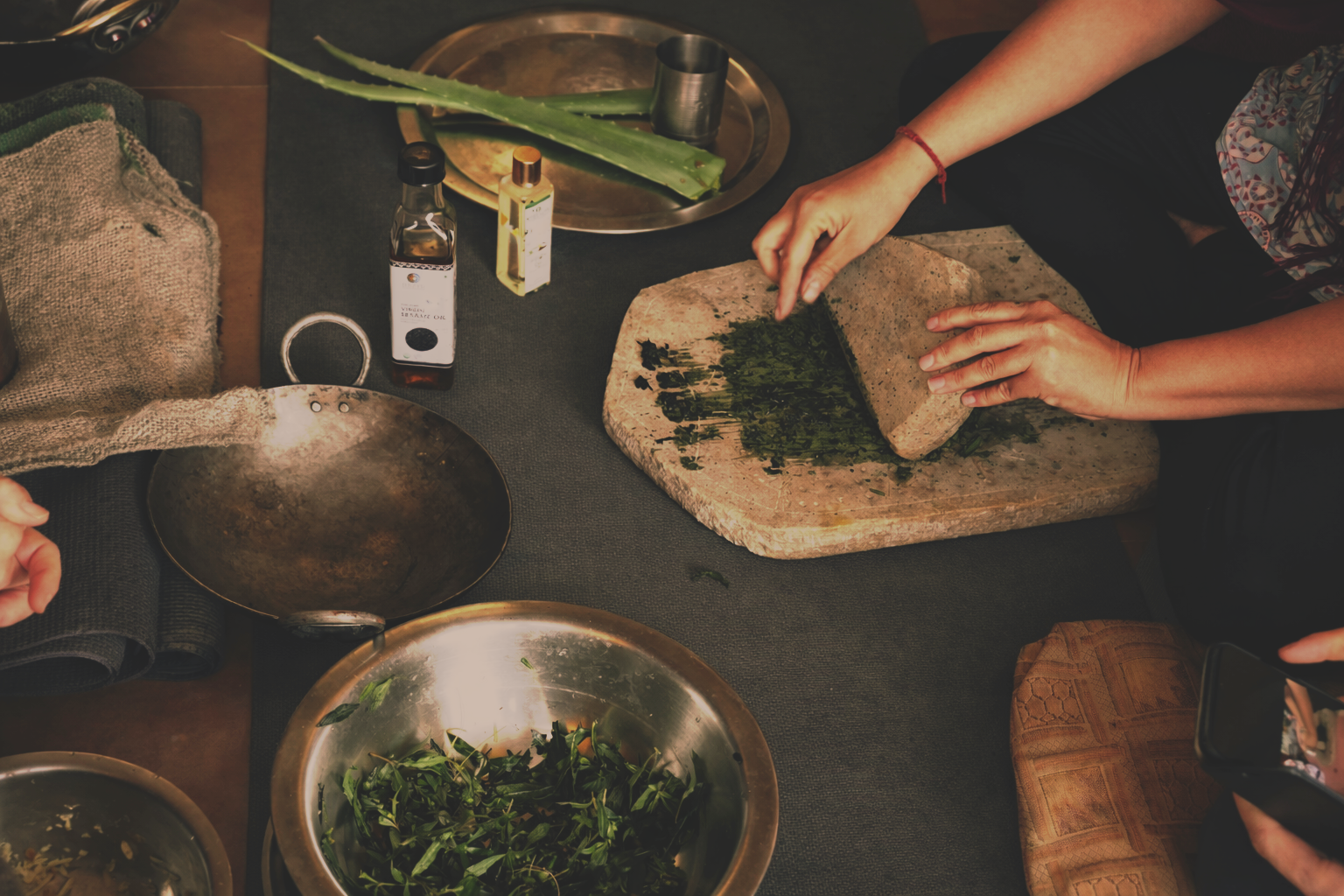
Ayurveda Theory Two Week Residential and Online Courses
Sanskrit scriptural foundation meets real life relate-ability: learn the basics principals to help you lead a healthy Ayurvedic lifestyle, in this two week Ayurveda Theory Online Course.
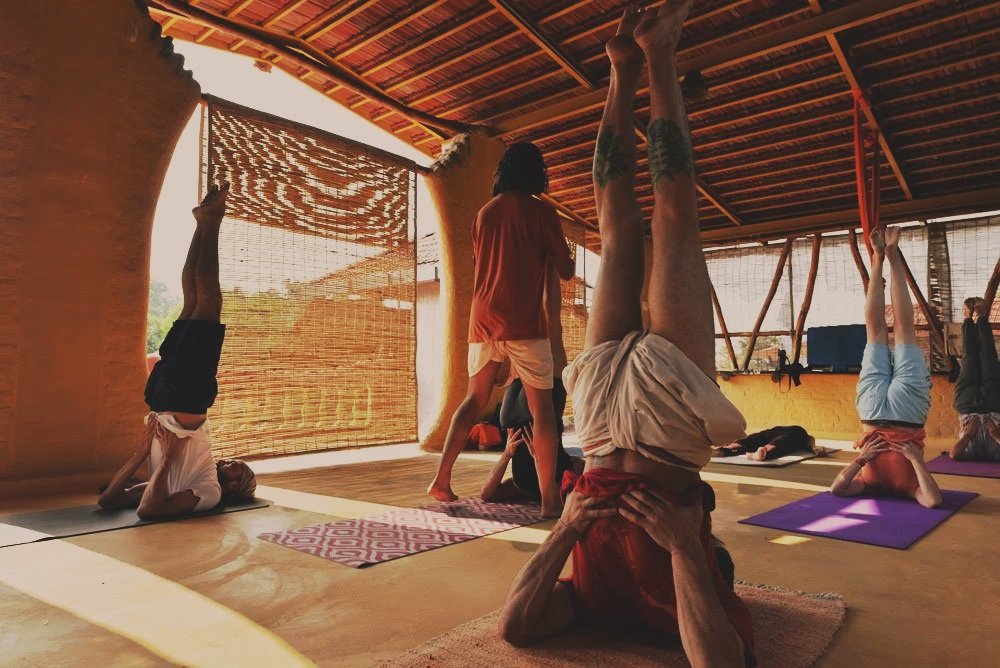
Hatha Yoga: Asana & Pranayama
Explore various techniques of traditional Hatha Yoga: Asana & Pranayama by deepening your practice by living a spiritual life within a residential ashram environment. All will benefit from our general guest asana classes, whether you are a beginner or have previous experience.
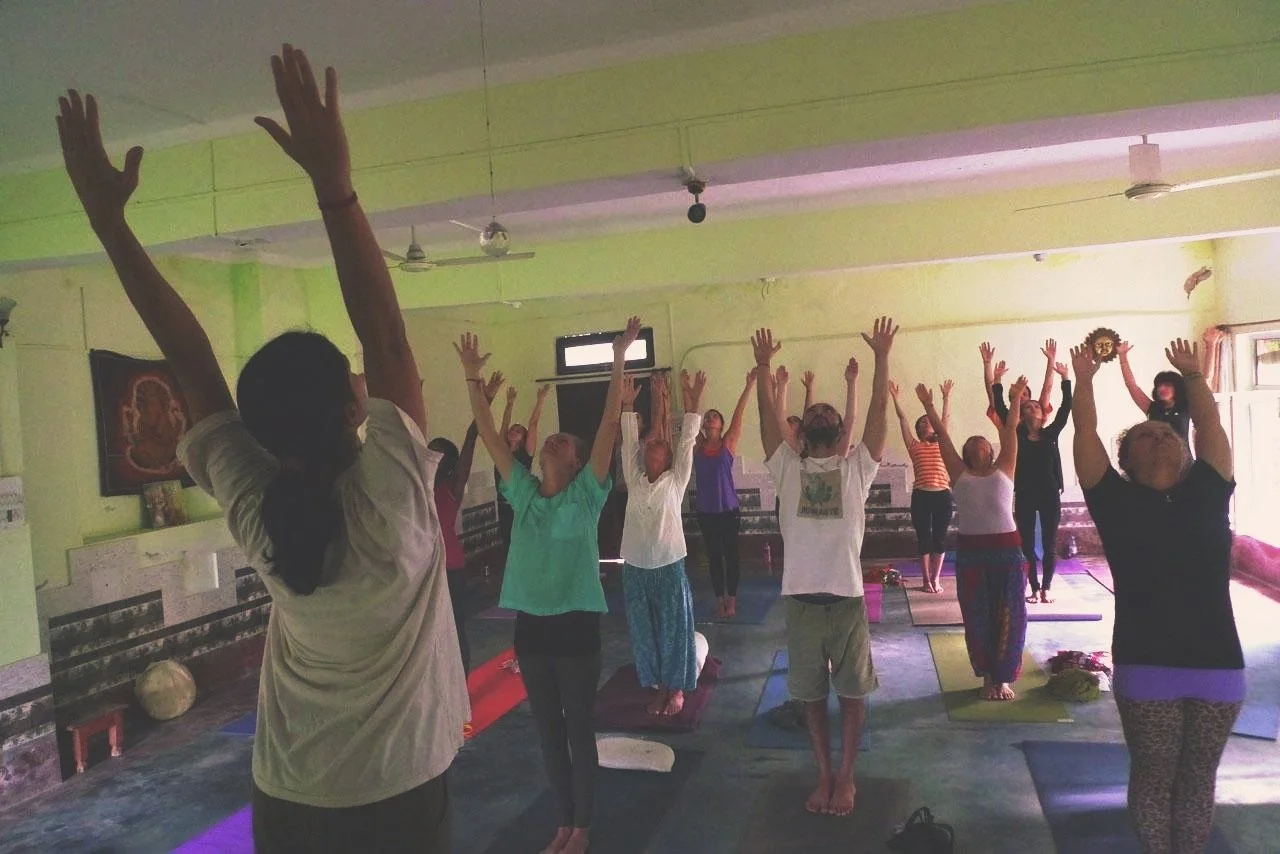
Yogic Sukṣma Vyāyām Courses
Alaknanda Puri teaches Sukṣma Vyāyām, also known as Himalayan Yoga, a unique system of subtle prāṇic exercises, which energizes the body and harmonizes the mind.
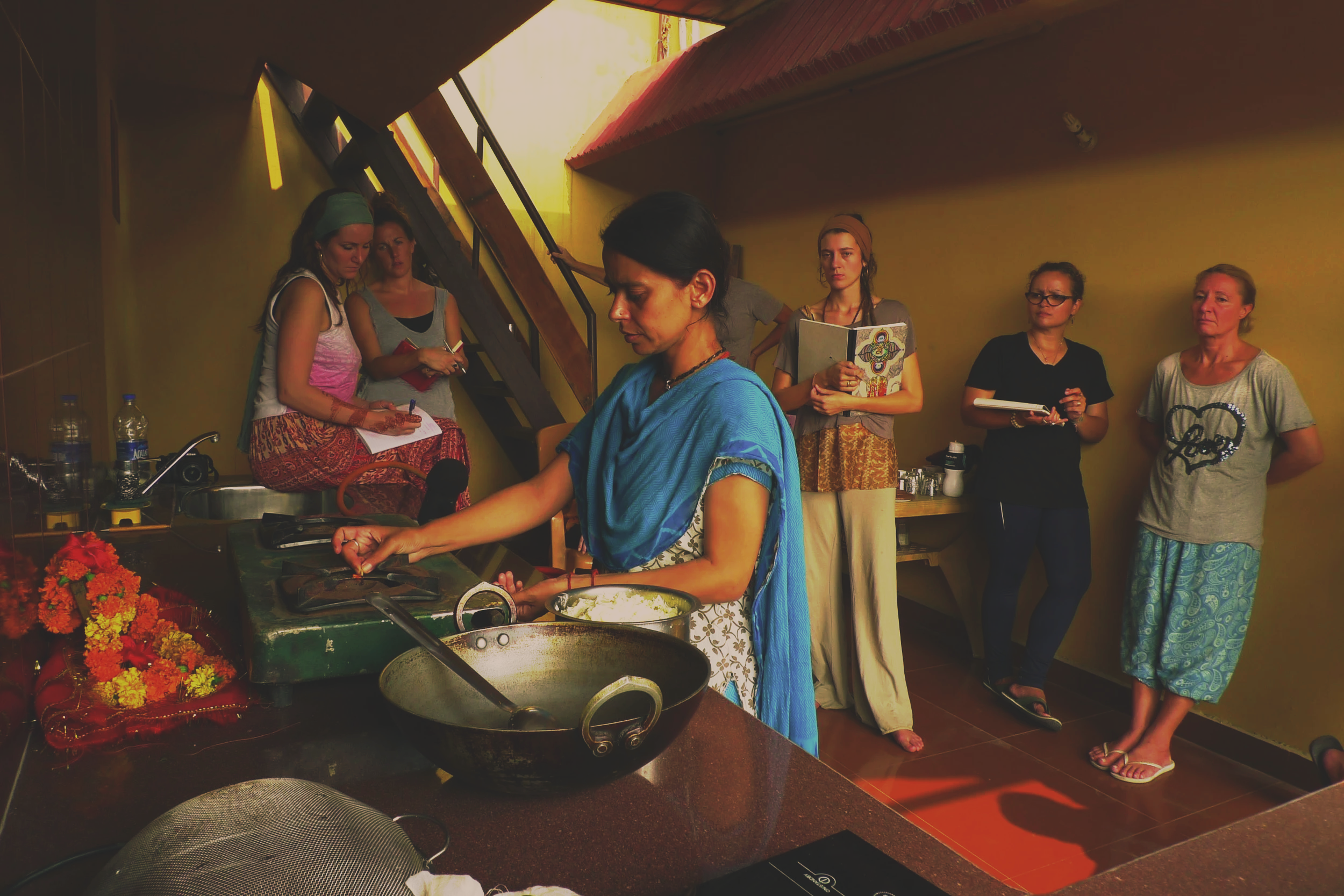
Ayurvedic Indian Cooking
In this two weeks intensive practical course taught by Mandakini Puri, with the kitchen as your classroom, you will learn classic vegetarian dishes based on the Ayurvedic principles, to feed your yogic lifestyle.
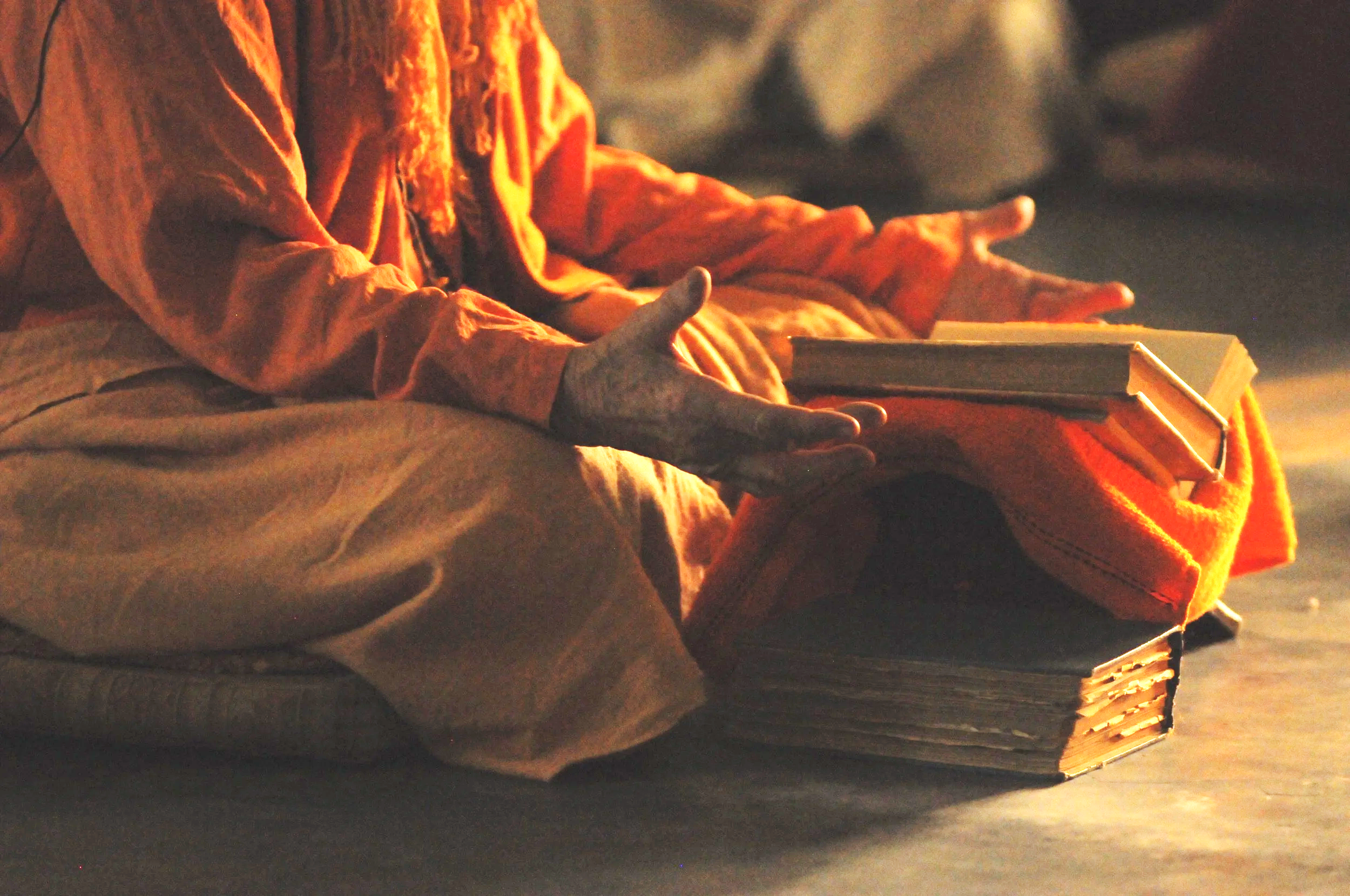
Bhagavad Gita Courses
YogAnga Retreat Bhagavad Gita Courses happen several times throughout the year providing both theoretical and practical experience in Karma, Bhakti and Jñana Yoga. One of the foundational books of Sanatan Dharma (Hindu Philosophy), the Bhagavad Gita is a Sanskrit text that can guide any seeker towards the art of living.
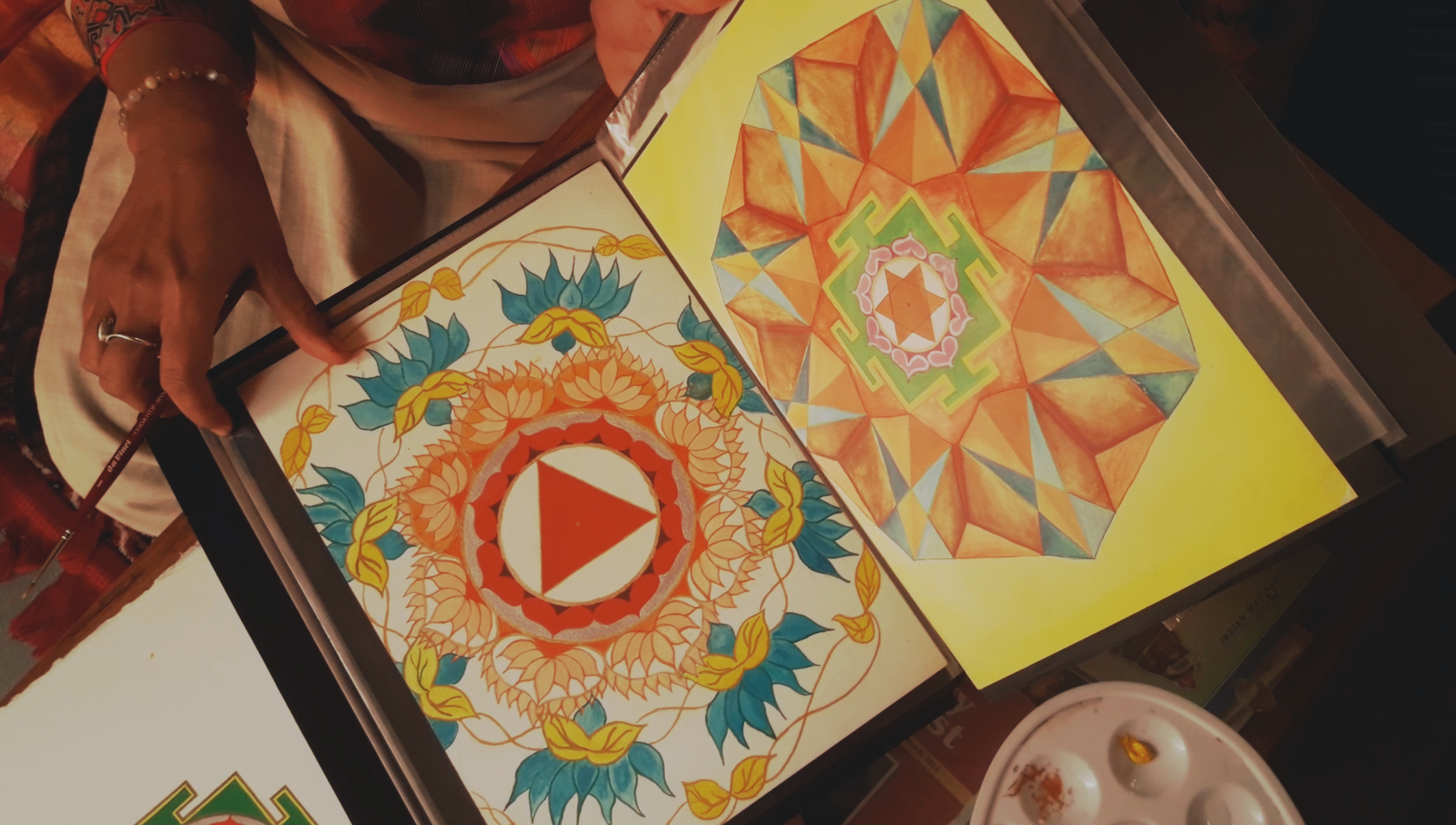
Yantra Painting with Mandakini Puri
Experience the unique clarity of mind, inner peace, mantra and meditation, while connecting with your own creativity through Yantra Painting in this two week residential course with Mandakini Puri.
YogAnga Retreat Schedule 2026
Hatha Yoga & Swadhyaya Residential Retreats
Self-guided immersion at Santosh Puri Ashram
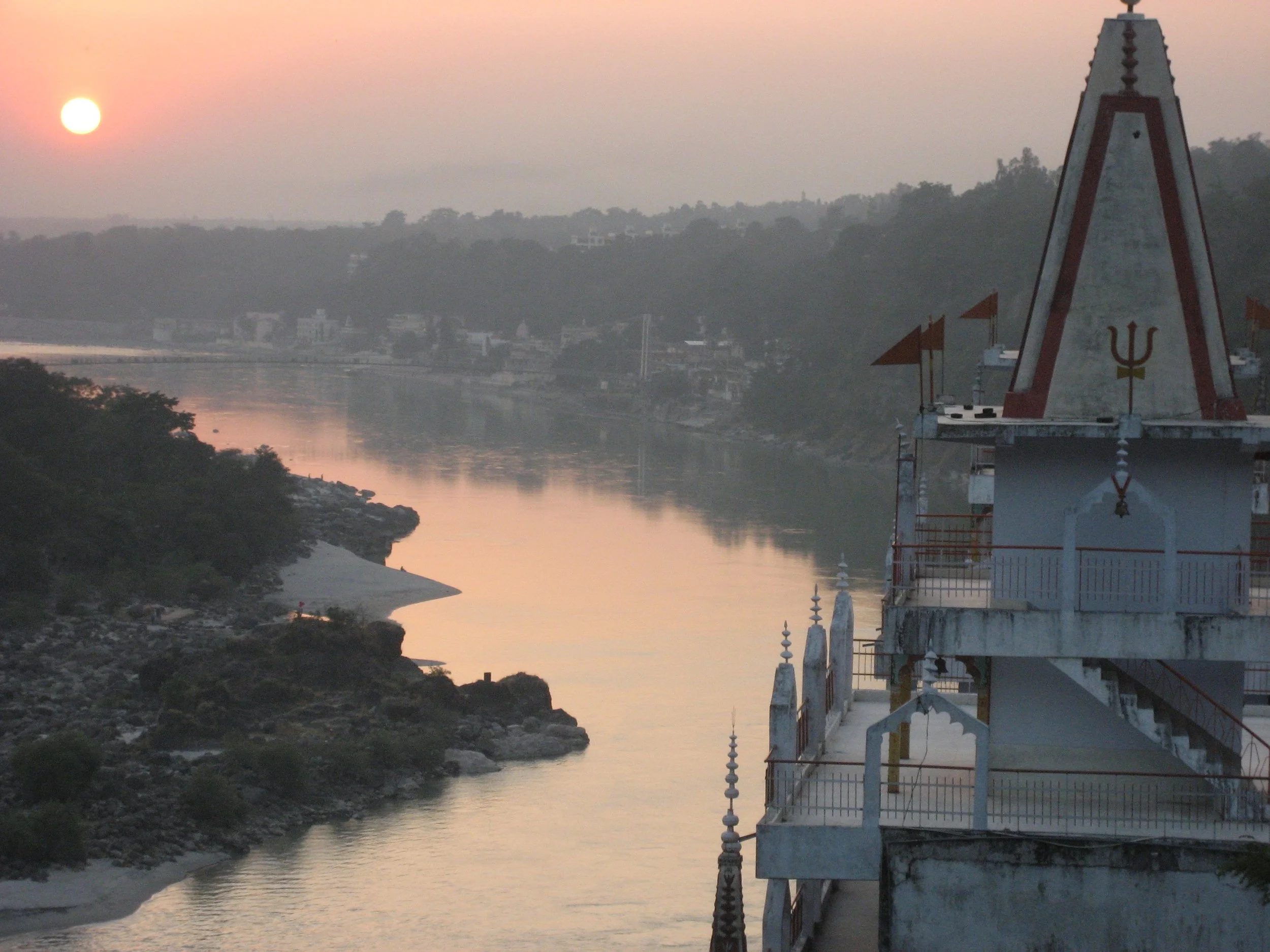
Uttarakhand, India — on the banks of the Ganga, between Rishikesh and Haridwar
These residential retreats offer a quieter, more introspective way to experience ashram life.
This period is especially suited for those who wish to deepen their personal practice through self-guided sādhana, while remaining supported by the presence of the ashram environment.
Rather than a structured course, the emphasis is placed on developing one’s own rhythm — integrating asana, pranayama, meditation, and self-study into daily life.
Guidance remains available when needed. Those who are new to practice may request sessions to learn the foundations of Hatha Yoga, while more experienced practitioners are free to refine and deepen their existing sādhana.
Sādhanā, Seva & Self-Study
Life during this time revolves around three essential aspects:
Sādhanā — establishing a consistent personal practice
Seva (Karma Yoga) — contributing to the maintenance of the ashram through simple daily tasks
Svādhyāya — self-study, through observation, reflection, journaling, or the study of yogic texts
The ashram library offers a wide range of materials to support study, creating space for deeper introspection.
Daily Rhythm (suggested, subject to change)
4:00 am — Aarti, silent meditation & herbal tea
7:30 am — Asana
9:00 am — Breakfast
10:00 am — Karma Yoga
11:00 am — Svādhyāya (self-study)
1:00 pm — Lunch
3:00 pm — Herbal tea
4:00 pm — Self-guided pranayama & meditation
6:00 pm — Dinner
7:15 pm — Chanting by the dhuni
8:00 pm — Meditation or kirtan
9:00 pm — Lights out
Practical Information
This is a more independent retreat format, with fewer scheduled teachings than during more structured programs. Additional classes may be offered depending on availability — please refer to the full schedule for details.
For visa information, please refer to official government guidelines.
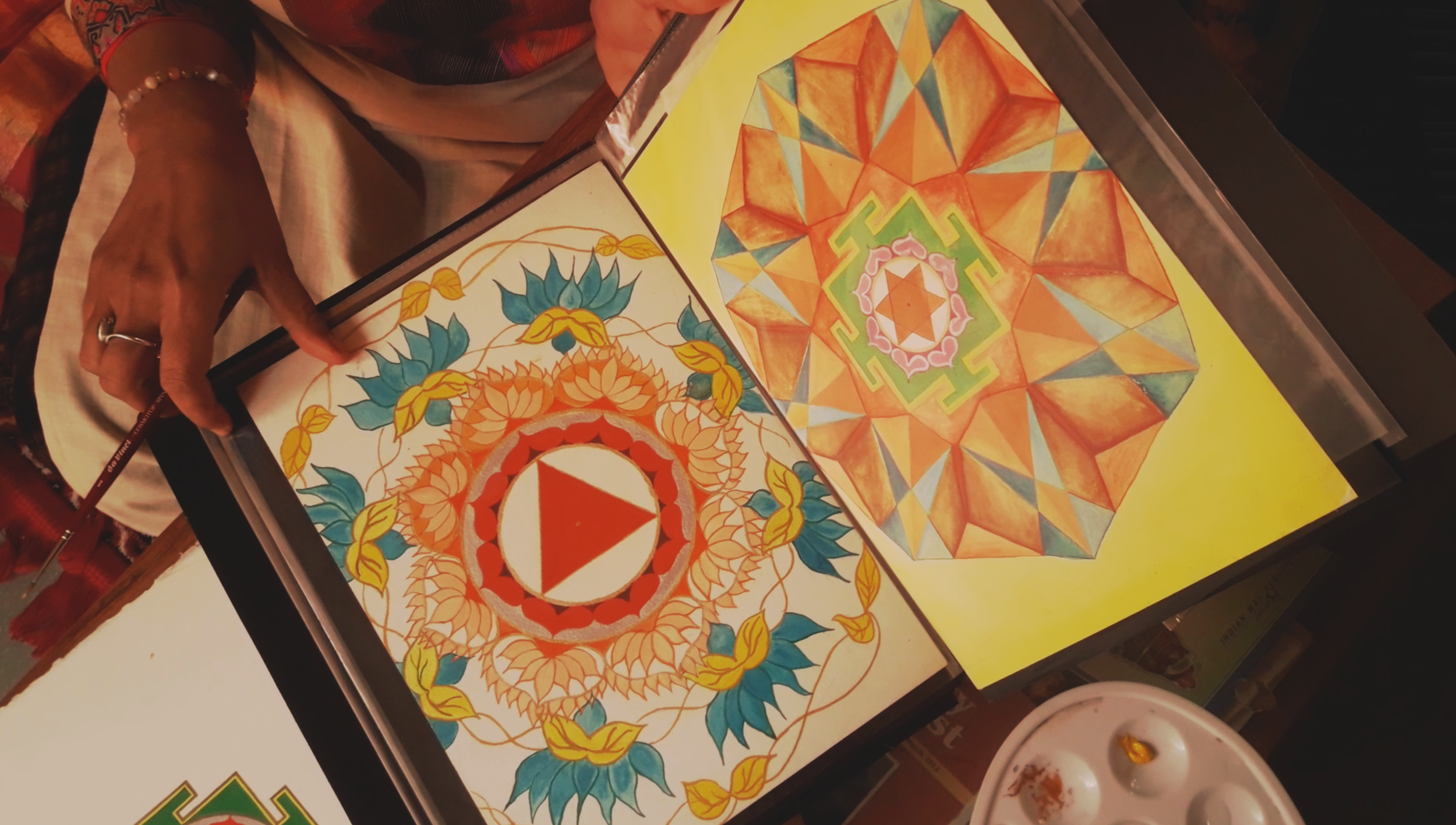
Two Week Yantra Painting & Hatha Yoga Residential Course
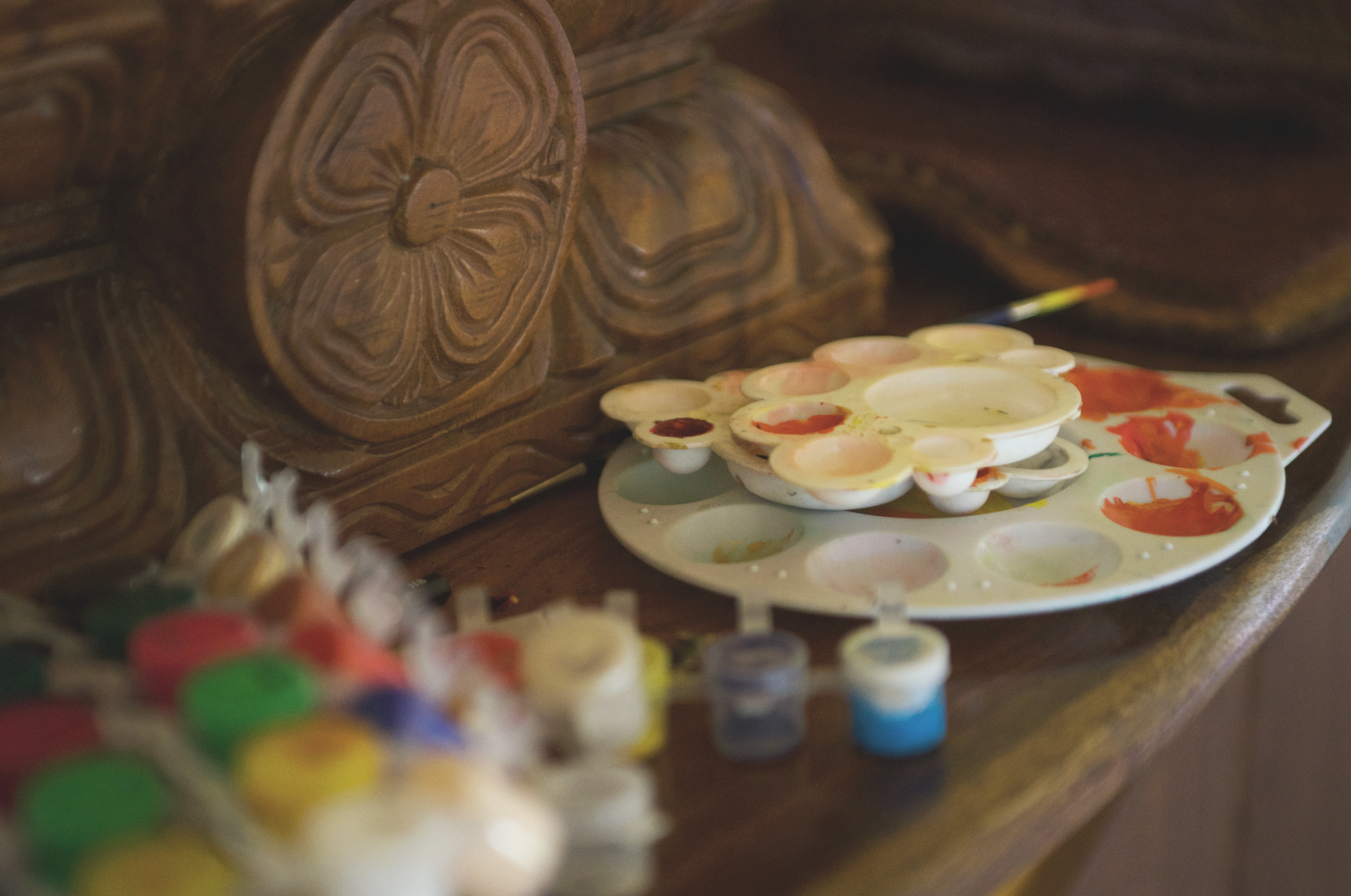
This two-week residential course with Mandakini Puri offers an introduction to Yantra Painting as a meditative and transformative practice, combined with daily Hatha Yoga.
Rooted in the tantric tradition, Yantra Painting is approached as an active meditation — bringing together mantra, form, and concentration. Through the repetition of precise geometric patterns and the chanting of Vedic mantras, the practice supports the cultivation of stillness, focus, and inner clarity.
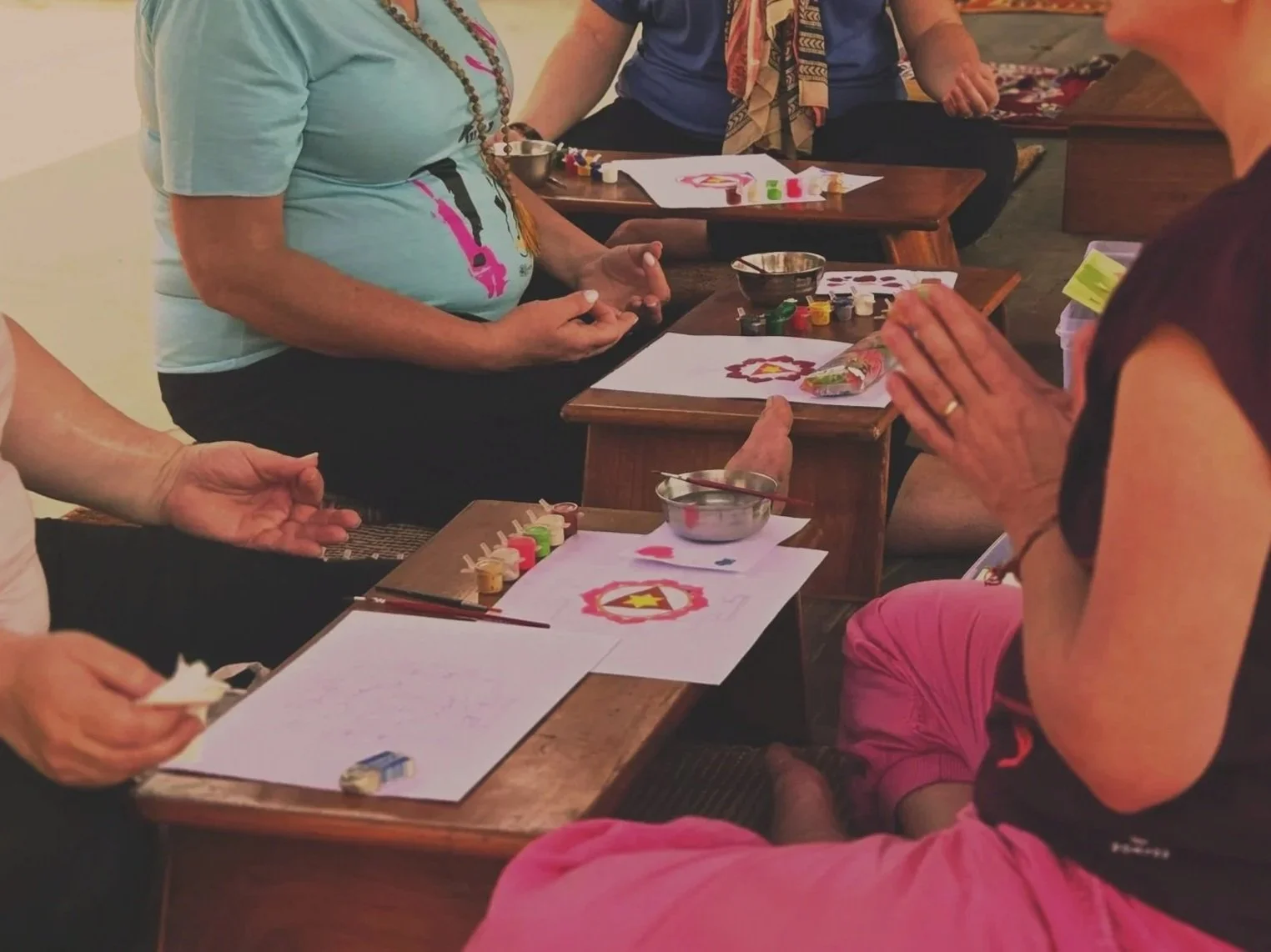
Each day begins with a traditional morning Hatha Yoga session, including asana, pranayama, and meditation. In the afternoon, participants engage in the process of yantra painting, working with a chosen deity, chakra, or planetary energy.
Guided by Mandakini Puri, who has over 20 years of experience and learned the Harish Johari Wash Painting Technique from her teacher Pieter Weltevrede, the course offers a structured yet immersive environment to deepen both practice and understanding.
Daily Rhythm (subject to change)
4:00 am — Aarti, silent meditation & herbal tea
7:30 am — Hatha Yoga
9:00 am — Breakfast
10:00 am — Karma Yoga
1:00 pm — Lunch
3:00 pm — Herbal tea
4:00 pm — Yantra Painting
6:00 pm — Dinner
7:15 pm — Chanting by the dhuni
8:00 pm — Meditation or kirtan
9:00 pm — Lights out
Practical Information
Arrival and departure dates follow the lunar cycle; however, guests are welcome to arrive earlier or stay longer. Some courses may begin following a new or full moon fire ceremony.
For visa information, please refer to official government guidelines.
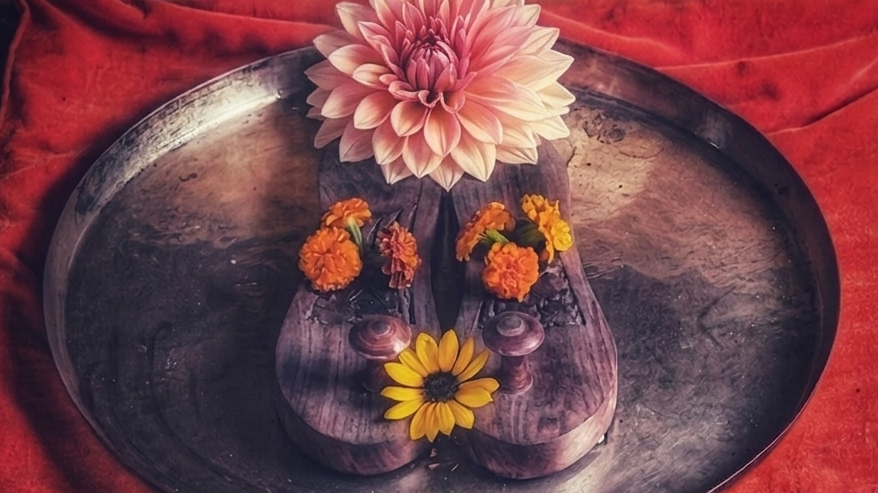
🪔 Festival: Guru Purnima 2026
In 2026 YogAnga Retreat will celebrate Guru Purnima at Sri Santosh Puri Ashram on July 29: a full moon celebration in honour of our gurus, Santosh Puri Babaji and Narvada Puri Mataji.
Guru Purnima according to the Hindu lunar calendar, is held every year in the month of Ashadh (typically around June or July during monsoon). In 2026 YogAnga Retreat will celebrate Guru Purnima at Sri Santosh Puri Ashram on July 29.
Come gather with us in this special time of year. Mingle among old friends and fellow devotees. Share stories about your experiences with Babaji and Mataji. Listen to the recitation of the Guru Gita.
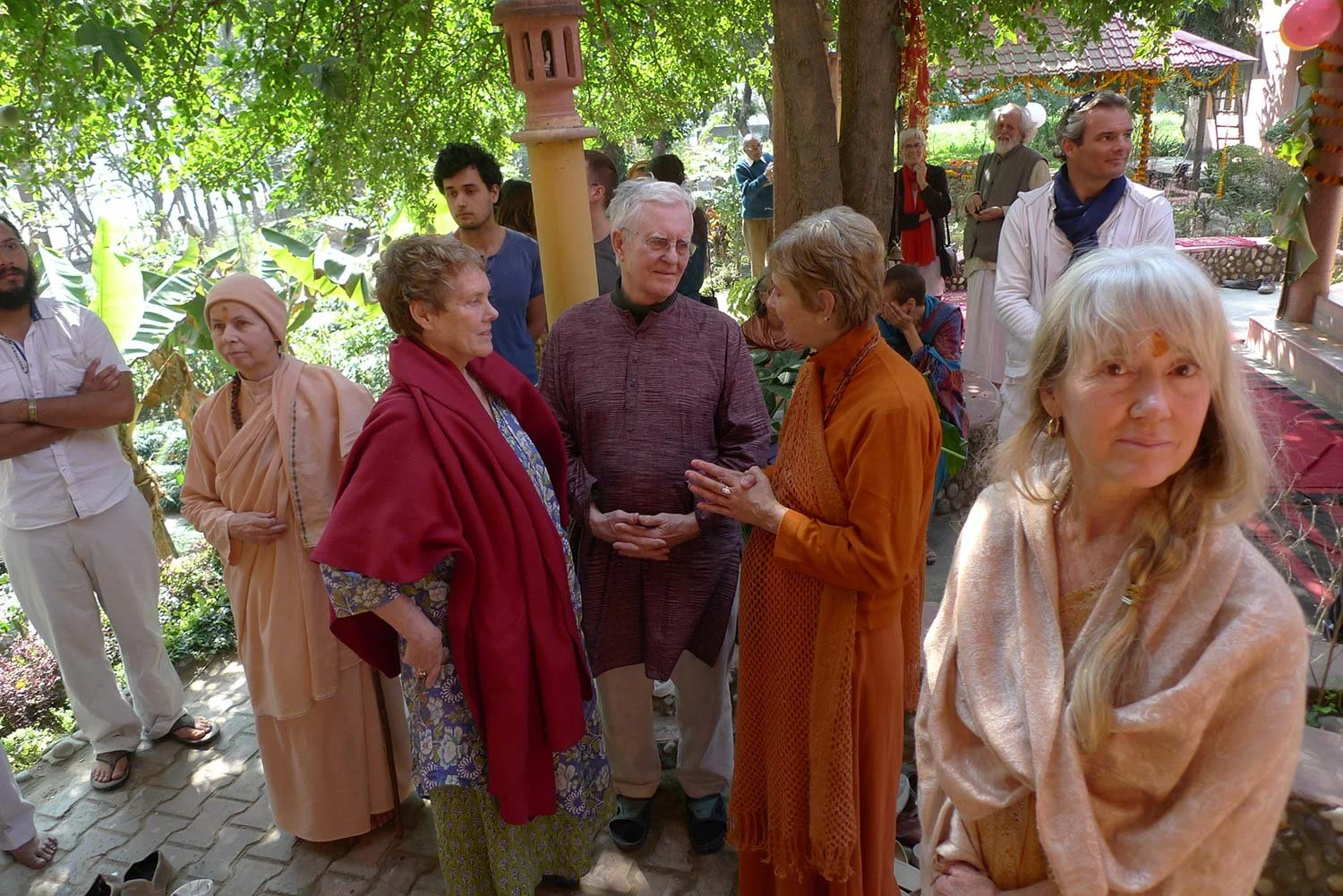
In Sanskrit the word गुरु guru is made of two root words: गु gu meaning darkness, and रु ru meaning the remover of darkness. Our spiritual and academic preceptors remove the darkness of ignorance by imparting us ‘Apara Vidya’ (temporal knowledge).
ॐ असतो मा सदगमय ।
oṃ asato mā sad-gamaya
Om, Lead us from Unreality (of Transitory Existence) to the Reality (of the Eternal Self),
तमसो मा ज्योतिर्गमय ।
tamaso mā jyotir-gamaya
Lead us from the Darkness (of Ignorance) to the Light (of Spiritual Knowledge),
मृत्योर्मा अमृतं गमय।
mṛtyor-mā amṛtaṃ gamaya
Lead us from the Fear of Death to the Knowledge of Immortality.
One who dispels ignorance and leads to the path of knowledge. Guru Purnima is meant to pay tribute and shower utmost adoration, and respect for the one who like the phrase in Upanishad, which says ‘tamaso mā jyotir-gamaya‘ leads in the journey towards light.
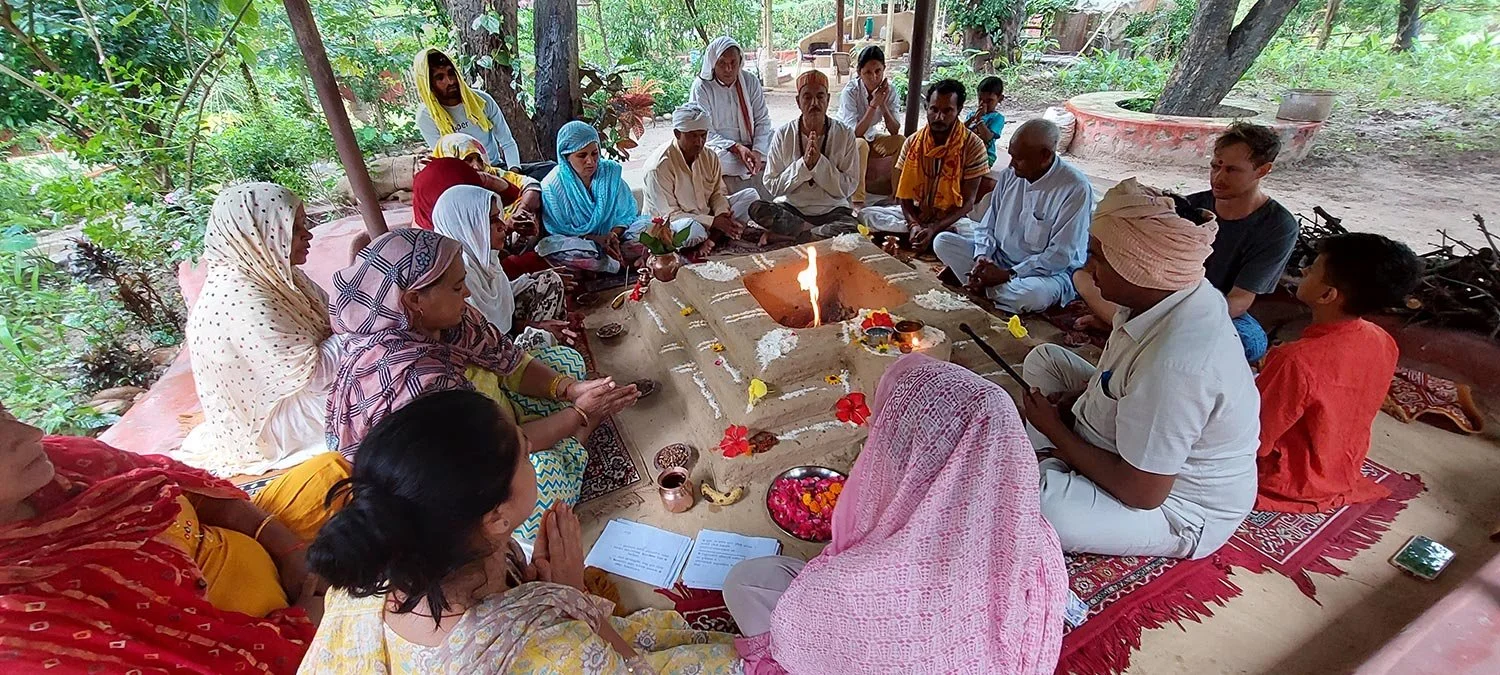
Guru Purnima also marks the first day of monsoon, the rainy season. On this full moon celebration, all spiritual aspirants / devotees pay tribute to their respective (spiritual or academic) teacher or Guru.
The day before we decorate the ashram with flowers. That morning we perform a havan (sacred fire ceremony). After which we will enjoy a special meal. Through out the day we will take turns reading from the sanskrit sacred text: Guru Gita.
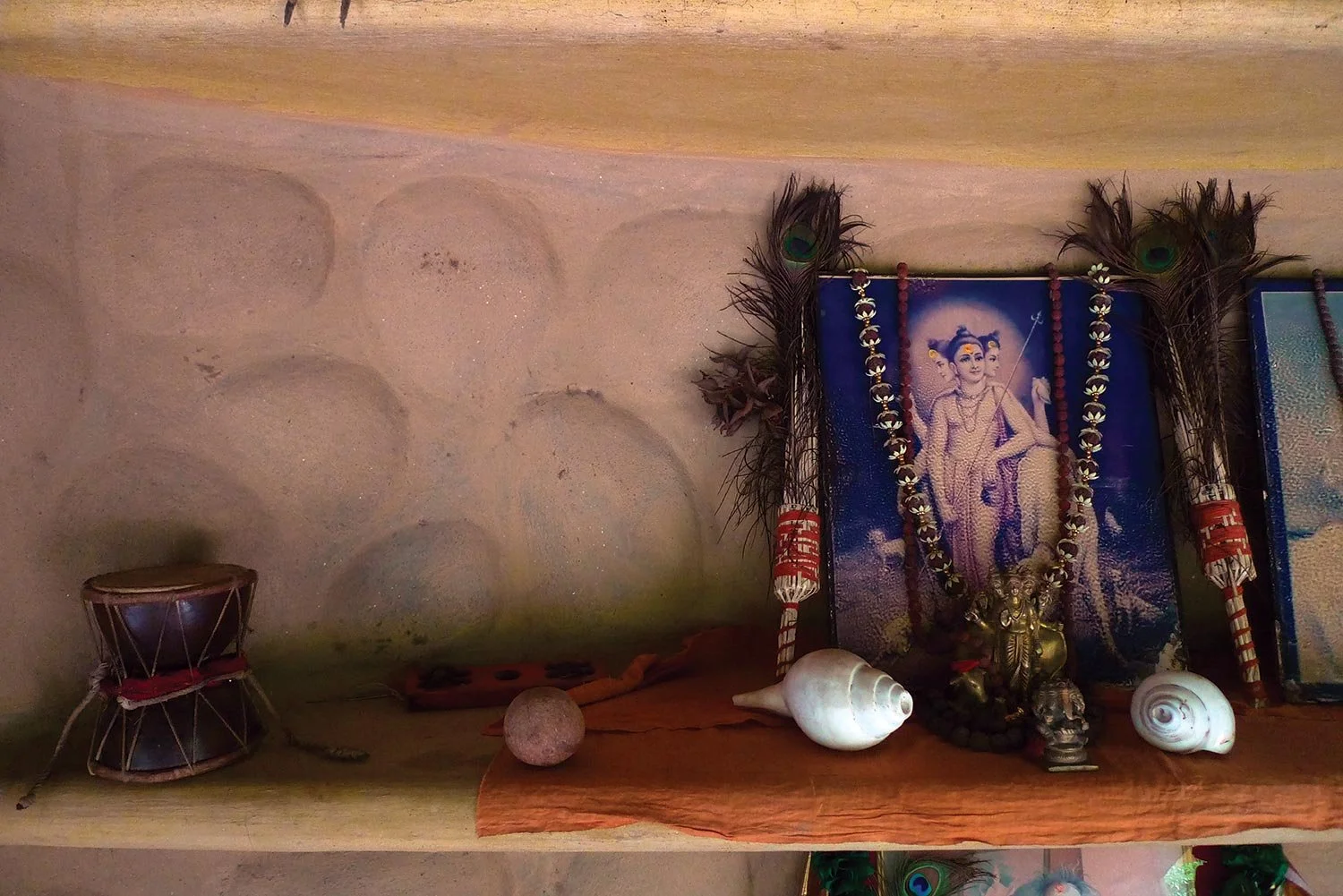
You will see this image of Dattatreya, sitting on the alter behind the dhuni (our sacred fire place).
Hindus often associate Guru Purnima with the sacred memory of Saint Guru Vyas Dev, who taught Dattatreya, the one who is considered the guru of gurus. Ved Vyasa was the one to divide the Vedas into four- Rig, Sama, Yajur, and Atharva.
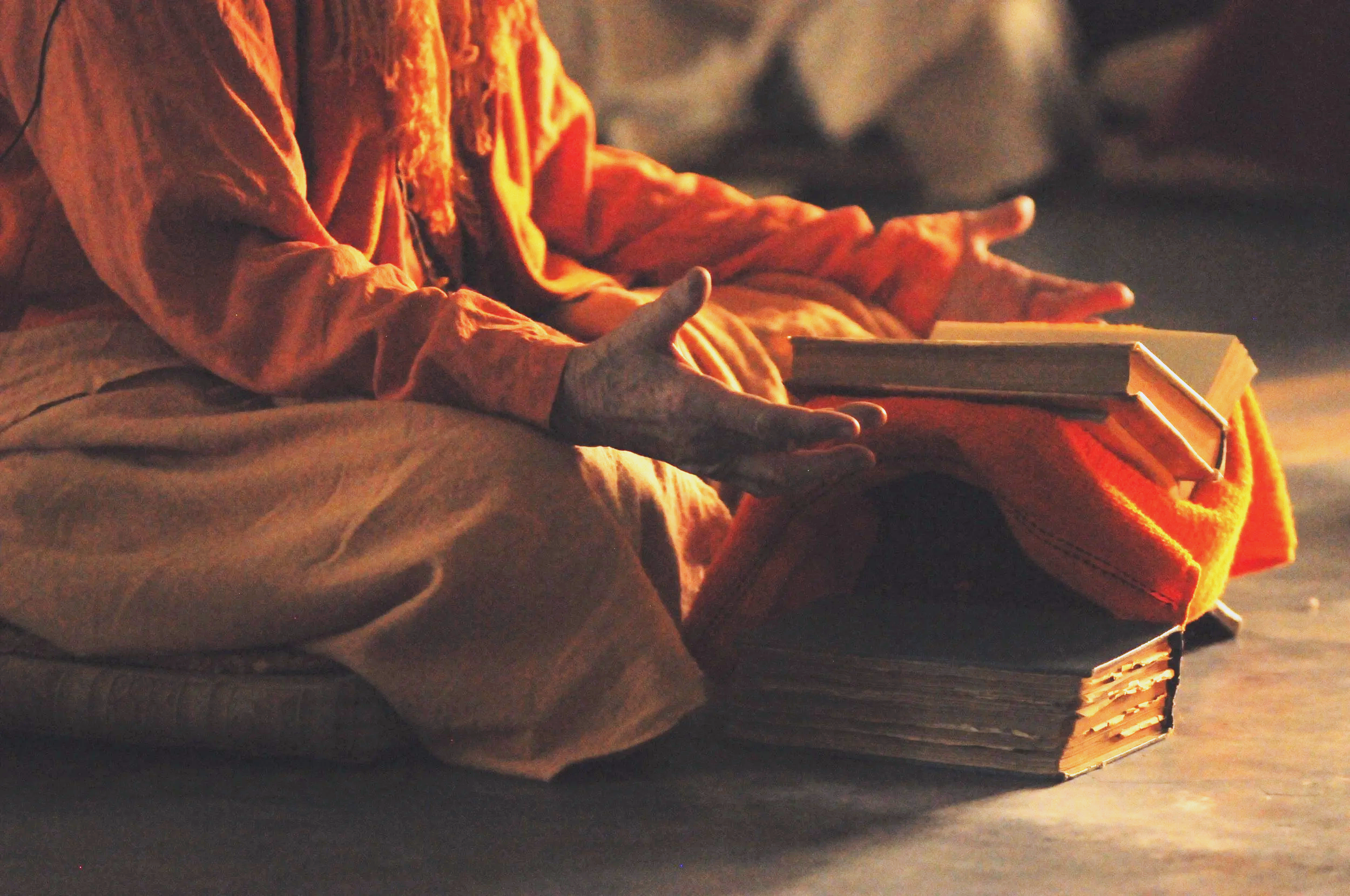
Two Week Hatha Yoga & Bhagavad Gita Residential Course
This two-week residential course combines the practice of Hatha Yoga with the study of the Bhagavad Gita, offering an opportunity to deepen both your sadhana and your understanding of yogic philosophy within the supportive environment of a traditional ashram in India.
Each morning begins with Hatha Yoga, including asana, pranayama, and meditation, with classes adapted to the experience and needs of the participants. In the afternoons, Dr. Alaknanda Puri guides the study of the Bhagavad Gita through Sanskrit chanting and practical commentary that connects its timeless wisdom to everyday life.
Rather than approaching the text as a purely philosophical work, the course explores the Bhagavad Gita as a living guide to the art of living. Through Lord Krishna's dialogue with Arjuna, participants are introduced to the paths of Karma Yoga, Bhakti Yoga, Raja Yoga, and Jñana Yoga, discovering how these teachings can cultivate greater clarity, purpose, and inner freedom.
Living within the rhythm of the ashram provides the ideal setting to integrate these teachings into daily experience. Alongside study and practice, participants take part in meditation, chanting, seva, and community life, allowing philosophy to become something lived rather than merely understood.
Typical Daily Routine (subject to change)
4:00 am – Awakening conch, Aarti, silent meditation & herbal tea
7:30 am – Hatha Yoga (asana, pranayama & meditation)
9:00 am – Breakfast
10:00 am – Karma Yoga (seva)
1:00 pm – Lunch
3:00 pm – Herbal tea
4:00 pm – Bhagavad Gita lecture
6:00 pm – Dinner
7:15 pm – Vedic chanting by the dhuni
8:00 pm – Meditation or kirtan
9:00 pm – Lights out
For visa information, please refer to the official Government of India visa website. If you have any questions about the course or your stay, please contact us or complete the registration form.
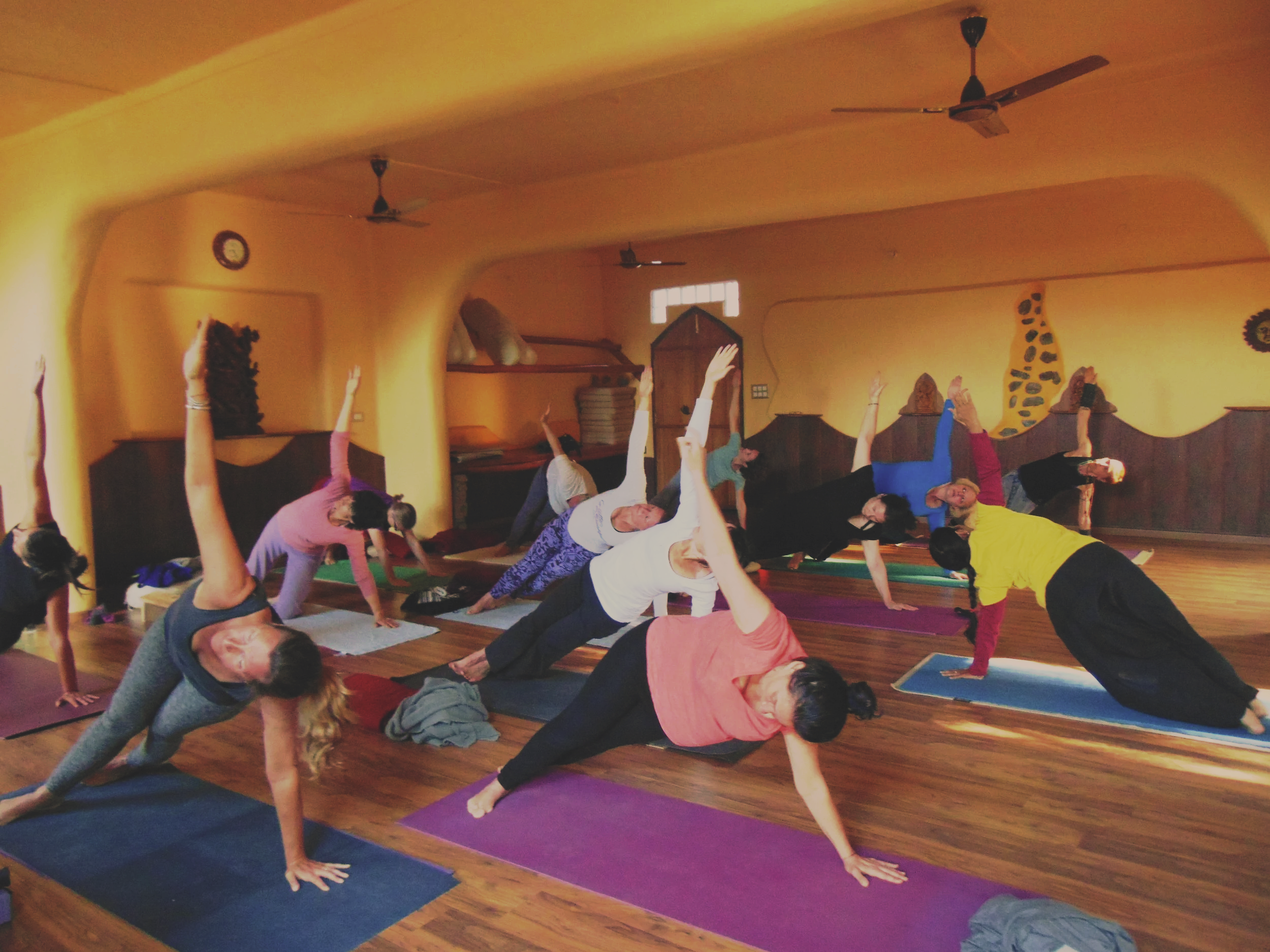
Two Week Hatha Yoga Immersion: Asana, Pranayama & Meditation Residential Course
Spend two weeks immersed in the practice of traditional Hatha Yoga while experiencing the rhythm of authentic ashram life at YogAnga Retreat, nestled between Rishikesh and Haridwar in the foothills of the Himalayas.
Guided by Mandakini Puri, Ganga Puri, and other available teachers, this residential course offers a balanced introduction to āsana, prāṇāyāma, meditation, and yogic living. Whether you are beginning your practice or looking to deepen an existing one, the program provides a supportive environment for steady and meaningful growth.
Each day follows the natural rhythm of the ashram, combining practice, self-discipline, reflection, and community life. Morning yoga sessions are adapted to the needs and abilities of participants, while afternoon prāṇāyāma and meditation allow for a deeper exploration of the inner dimensions of yoga.
An essential aspect of the experience is Karma Yoga—the practice of selfless service. Through simple daily tasks such as gardening, food preparation, or caring for shared spaces, participants discover yoga as something lived beyond the mat.
Time is also dedicated to Svādhyāya (self-study), encouraging reflection through journaling, scriptural study, or quiet observation. The ashram library offers a rich collection of yogic texts and commentaries for those wishing to deepen their understanding.
More than a course, this residential immersion is an opportunity to experience yoga as a way of life—cultivating discipline, simplicity, presence, and inner balance within a traditional spiritual environment.
Typical Daily Routine (subject to change)
4:00 am – Awakening conch, ārati, silent meditation & herbal tea
7:30 am – Hatha Yoga
9:00 am – Breakfast
10:00 am – Karma Yoga
11:00 am – Svādhyāya (self-study)
1:00 pm – Lunch
3:00 pm – Herbal tea
4:00 pm – Prāṇāyāma & Meditation
6:00 pm – Dinner
7:15 pm – Vedic chanting by the dhuni
8:00 pm – Meditation or Kirtan
9:00 pm – Lights out
For visa information, please consult the official Government of India visa website for the latest requirements.
For enquiries or to register, please contact us or complete the registration form.
Two Week Hatha Yoga Immersion: Asana, Pranayama & Meditation Residential Course 2026 Oct. 26 – Nov. 9th
Spend two weeks immersed in the practice of traditional Hatha Yoga while experiencing the rhythm of authentic ashram life at YogAnga Retreat, nestled between Rishikesh and Haridwar in the foothills of the Himalayas.
Guided by Mandakini Puri, Ganga Puri, and other available teachers, this residential course offers a balanced introduction to āsana, prāṇāyāma, meditation, and yogic living. Whether you are beginning your practice or looking to deepen an existing one, the program provides a supportive environment for steady and meaningful growth.
Each day follows the natural rhythm of the ashram, combining practice, self-discipline, reflection, and community life. Morning yoga sessions are adapted to the needs and abilities of participants, while afternoon prāṇāyāma and meditation allow for a deeper exploration of the inner dimensions of yoga.
An essential aspect of the experience is Karma Yoga—the practice of selfless service. Through simple daily tasks such as gardening, food preparation, or caring for shared spaces, participants discover yoga as something lived beyond the mat.
Time is also dedicated to Svādhyāya (self-study), encouraging reflection through journaling, scriptural study, or quiet observation. The ashram library offers a rich collection of yogic texts and commentaries for those wishing to deepen their understanding.
Celebrate Diwali at the Ashram
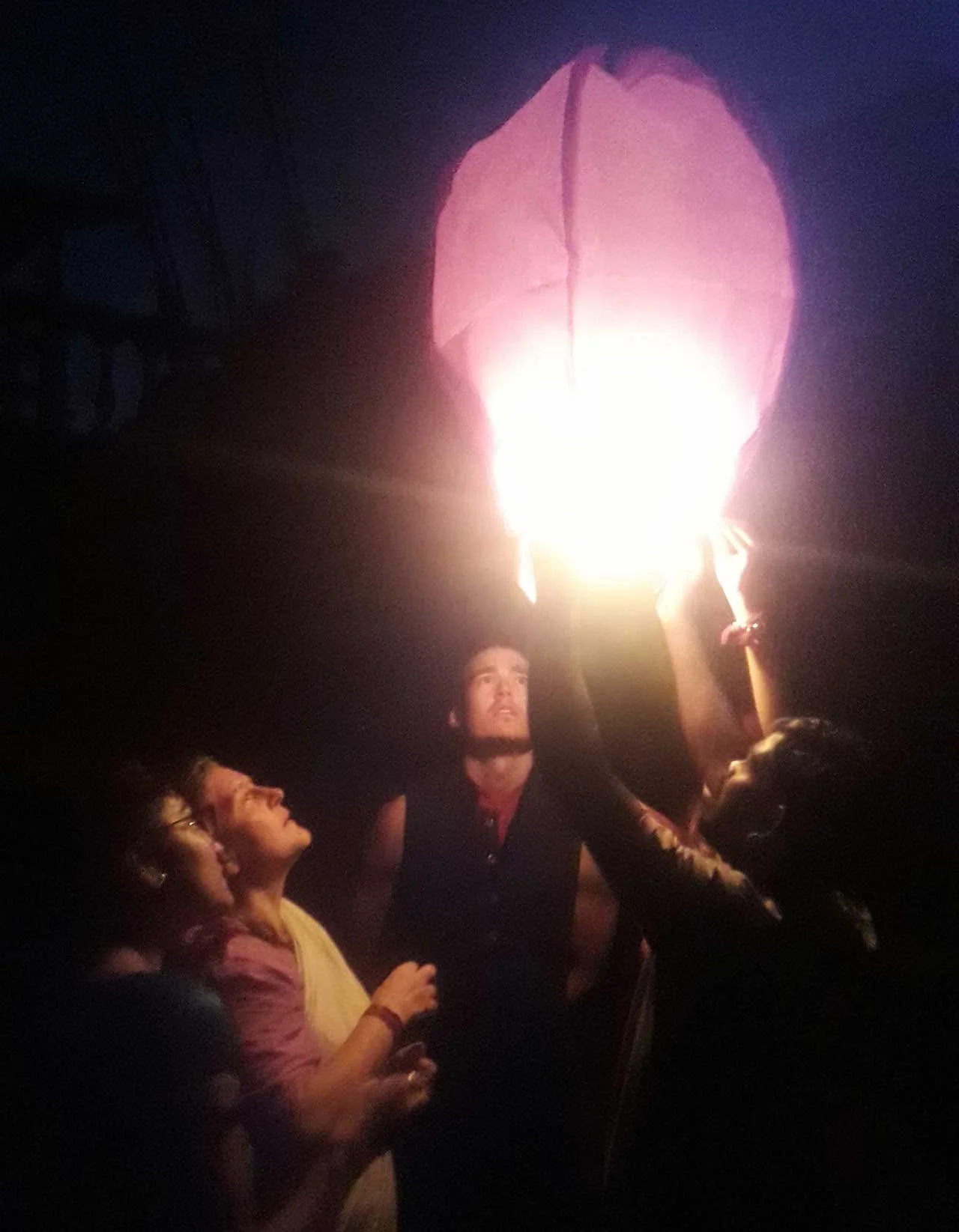
This course includes the opportunity to celebrate Diwali, the Festival of Lights, at Sri Santosh Puri Ashram. Observed on the new moon, Diwali symbolizes the victory of light over darkness and knowledge over ignorance.
Traditionally, homes are cleaned and illuminated with ghee lamps to welcome the blessings of Goddess Lakshmi, representing abundance, prosperity, and auspicious new beginnings. Celebrating Diwali within an ashram offers a unique opportunity to experience this sacred festival through simplicity, devotion, and community.
More than a course, this residential immersion is an invitation to experience yoga as a way of life—cultivating discipline, presence, inner balance, and spiritual growth within a traditional ashram environment.
Typical Daily Routine (subject to change)
4:00 am – Awakening conch, ārati, silent meditation & herbal tea
7:30 am – Hatha Yoga
9:00 am – Breakfast
10:00 am – Karma Yoga
11:00 am – Svādhyāya (self-study)
1:00 pm – Lunch
3:00 pm – Herbal tea
4:00 pm – Prāṇāyāma & Meditation
6:00 pm – Dinner
7:15 pm – Vedic chanting by the dhuni
8:00 pm – Meditation or Kirtan
9:00 pm – Lights out
For visa information, please consult the official Government of India visa website for the latest requirements.
For enquiries or to register, please contact us or complete the registration form.
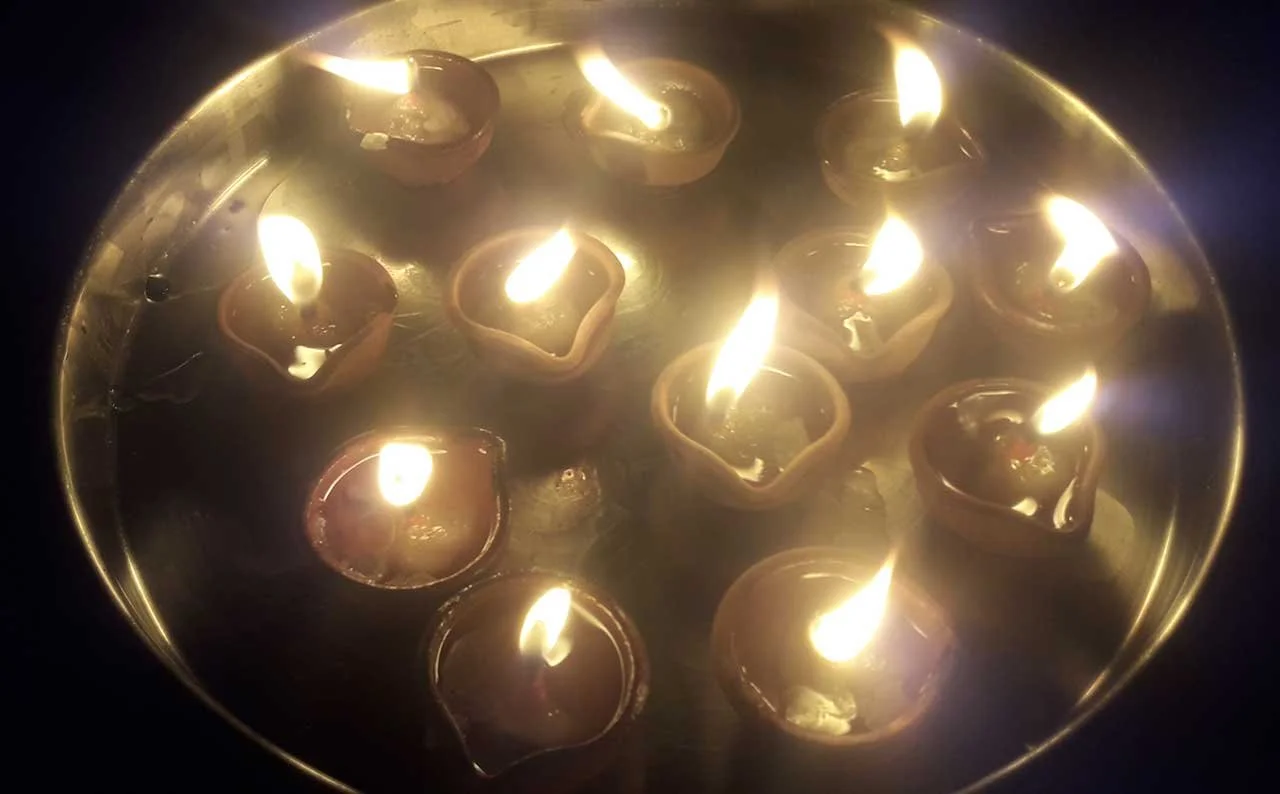
🪔 Festival: Diwali at Santosh Puri Ashram, 2026
In 2026, YogAnga Retreat will celebrate Diwali at Sri Santosh Puri Ashram on 8 November. Known as the Festival of Lights, Diwali is one of India's most cherished celebrations, symbolizing the victory of light over darkness, good over evil, and knowledge over ignorance.
Also called Deepavali ("a row of lamps"), the festival is traditionally celebrated by lighting ghee lamps around homes and temples to welcome the blessings of Goddess Lakshmi, representing abundance, prosperity, and auspicious new beginnings. In the days leading up to the festival, families often clean and prepare their homes as an outward expression of inner renewal.
Diwali is also associated with the return of Lord Rama to Ayodhya after fourteen years of exile, following his victory over Ravana and the rescue of Sita. According to tradition, the people of Ayodhya illuminated the path with countless lamps to welcome him home, celebrating the triumph of dharma over adharma.
Celebrating Diwali within an ashram offers a unique opportunity to experience this sacred festival beyond its outward festivities. Together, we gather in devotion, light lamps throughout the mandir and ashram grounds, chant, reflect, and share in a spirit of community—allowing the symbolism of the festival to become a reminder to cultivate light within our own lives.
Ayurveda Intensive One-Month Residential Certificate Course
This one-month residential Ayurveda course offers an immersive introduction to the classical principles of traditional Ayurveda while living the daily rhythm of an authentic ashram between Rishikesh and Haridwar, in the foothills of the Himalayas.
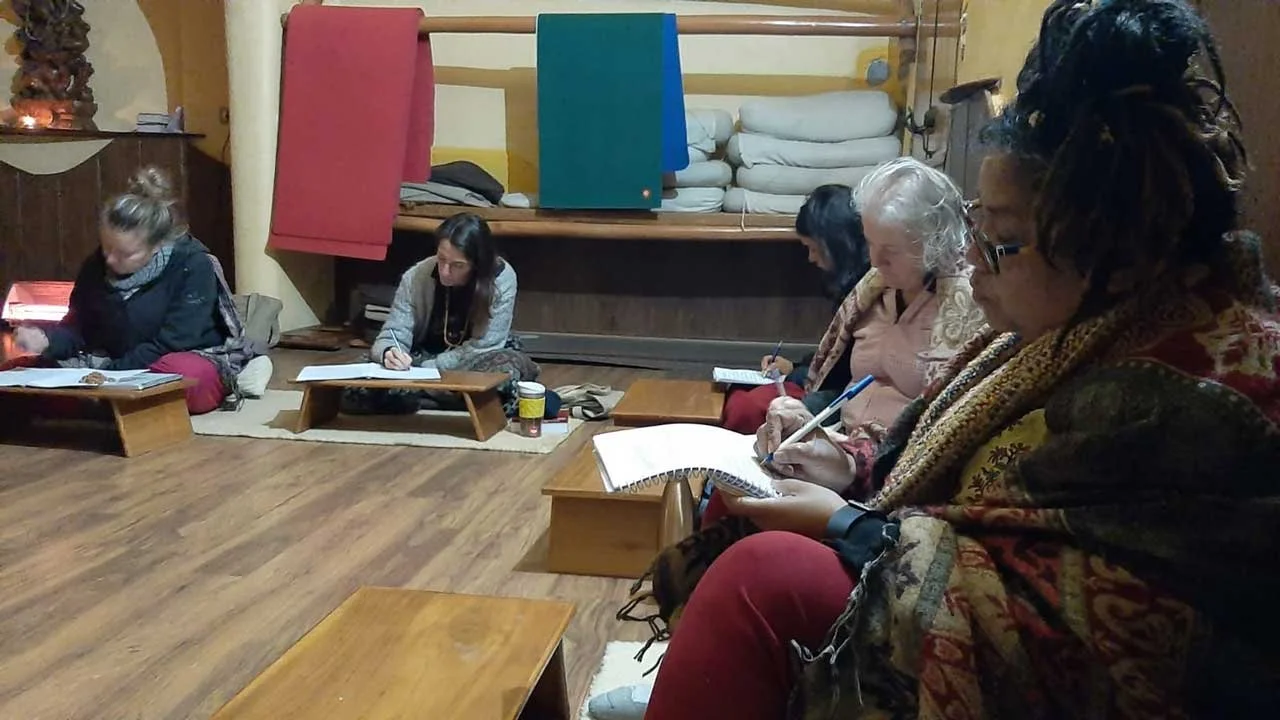
Guided by Alaknanda Puri, the course combines Sanskrit scripture study, practical learning, observation, and direct experience. Rather than approaching Ayurveda solely as a medical system, participants are invited to discover it as a complete science of living in harmony with nature and oneself.
Drawing from the traditional texts while making their wisdom relevant to contemporary life, the course explores the foundations of Ayurvedic philosophy, diagnosis, treatment, medicinal plants, and herbal preparations. Knowledge is not only studied but experienced through the rhythm of ashram life, where food, lifestyle, practice, and observation become part of the learning process.
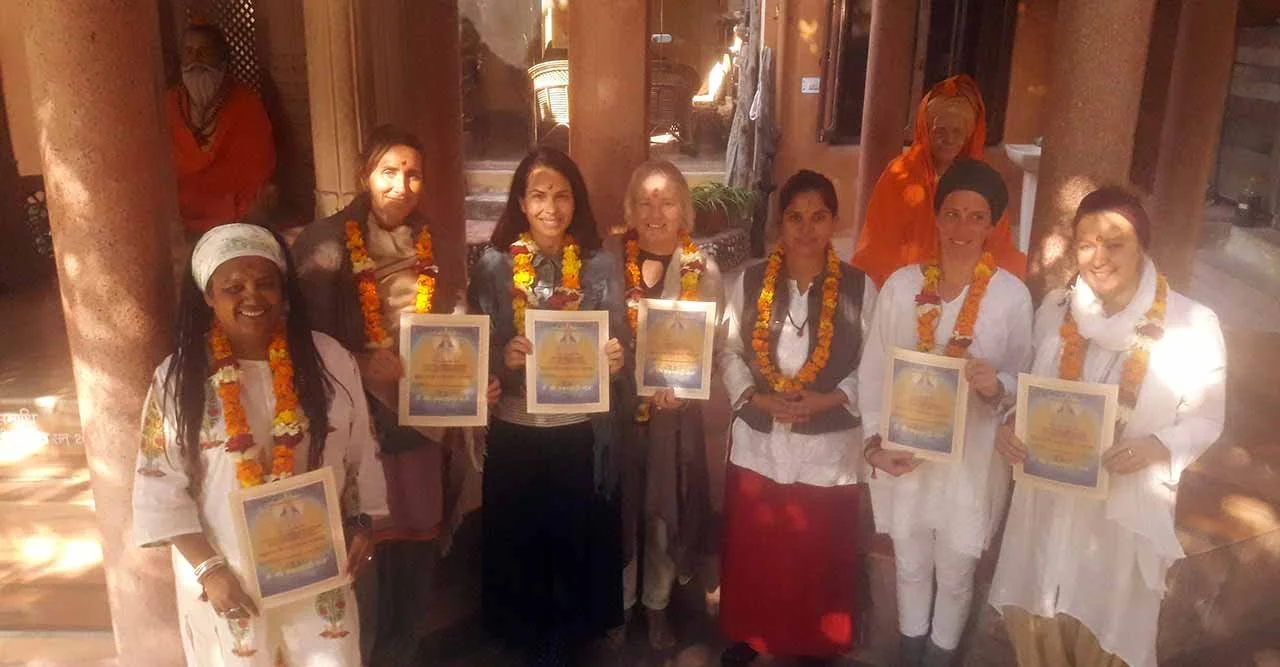
The course is open to both Indian and international participants and is taught in English. It begins and concludes with a havan (Vedic fire ceremony). Accommodation, meals, course materials, and a certificate of completion are included.
Course Includes
Parāyaṇam (call-and-response Ayurvedic scripture study)
Ayurvedic Principles
Diagnosis Techniques
Practical Treatment Techniques
Herbal Medicine Preparation
Sukṣma Vyāyām (subtle prāṇic exercise)
Ayurvedic Cooking
Marma Science
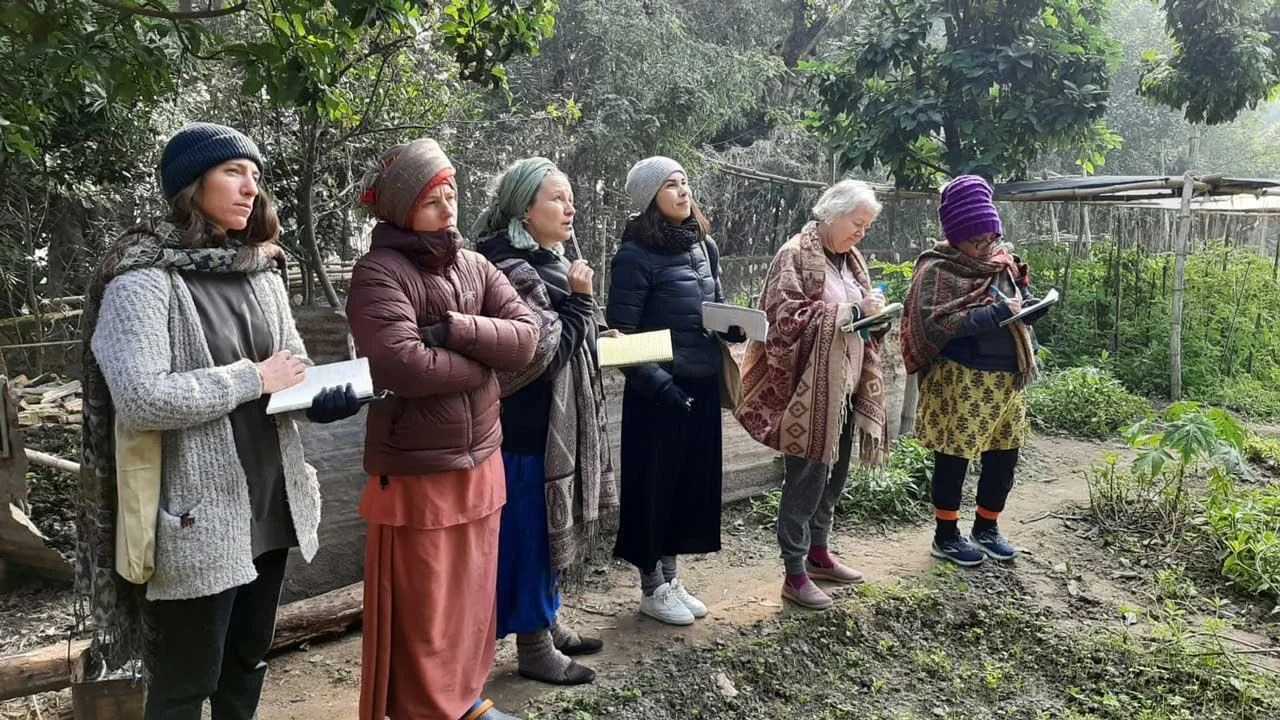
Botanical Garden Tour (medicinal plant identification)
Typical Daily Routine (subject to change)
4:00 am – Awakening conch, ārati, silent meditation & herbal tea
6:00 am – Parāyaṇam (Sanskrit scripture study)
7:30 am – Sukṣma Vyāyām (subtle prāṇic exercise)
9:00 am – Breakfast
10:00 am – Karma Yoga
11:00 am – Practical class (treatments & medicine preparation)
1:00 pm – Lunch
3:00 pm – Herbal tea
4:00 pm – Ayurveda theory class
6:00 pm – Dinner
7:15 pm – Vedic chanting by the dhuni
8:00 pm – Meditation or Kirtan
9:00 pm – Lights out
This residential immersion is designed to provide a solid foundation for anyone wishing to deepen their understanding of Ayurveda—whether for personal growth, professional development, or as part of a broader yogic path.
For enquiries or to register, please contact us or complete the registration form.
Two Week Hatha Yoga & Ayurvedic Cooking Residential Course
With the kitchen as your classroom, this two-week residential course combines the practice of Hatha Yoga with a practical introduction to Ayurvedic cooking, inviting you to discover food as an essential part of a balanced yogic lifestyle.
Set within the daily rhythm of ashram life between Rishikesh and Haridwar, in the foothills of the Himalayas, each morning begins with asana, prāṇāyāma, and meditation, followed by afternoons dedicated to the principles and practice of traditional Ayurvedic cooking.
Guided by Mandakini Puri, you will learn to prepare simple, nourishing vegetarian meals while gaining an understanding of how ingredients, spices, food combinations, and seasonal choices influence the doṣas and overall well-being. More than learning recipes, the course explores how food can become a daily practice of awareness, balance, and care for oneself and others.
The course follows the rhythm of the ashram and participants are welcome to arrive earlier or stay longer whenever possible. As dates are aligned with the lunar calendar, some programs may begin or conclude with a havan (Vedic fire ceremony).
Please note that a small additional contribution may be requested to cover the cost of cooking ingredients and materials.
Typical Daily Routine (subject to change)
4:00 am – Awakening conch, ārati, silent meditation & herbal tea
7:30 am – Hatha Yoga
9:00 am – Breakfast
10:00 am – Karma Yoga
11:00 am – Svādhyāya (self-study)
1:00 pm – Lunch
3:00 pm – Herbal tea
4:00 pm – Ayurvedic Cooking Class
6:00 pm – Dinner
7:15 pm – Vedic chanting by the dhuni
8:00 pm – Meditation or Kirtan
9:00 pm – Lights out
Certificates of participation may be provided upon request.
For enquiries or to register, please contact us or complete the registration form.
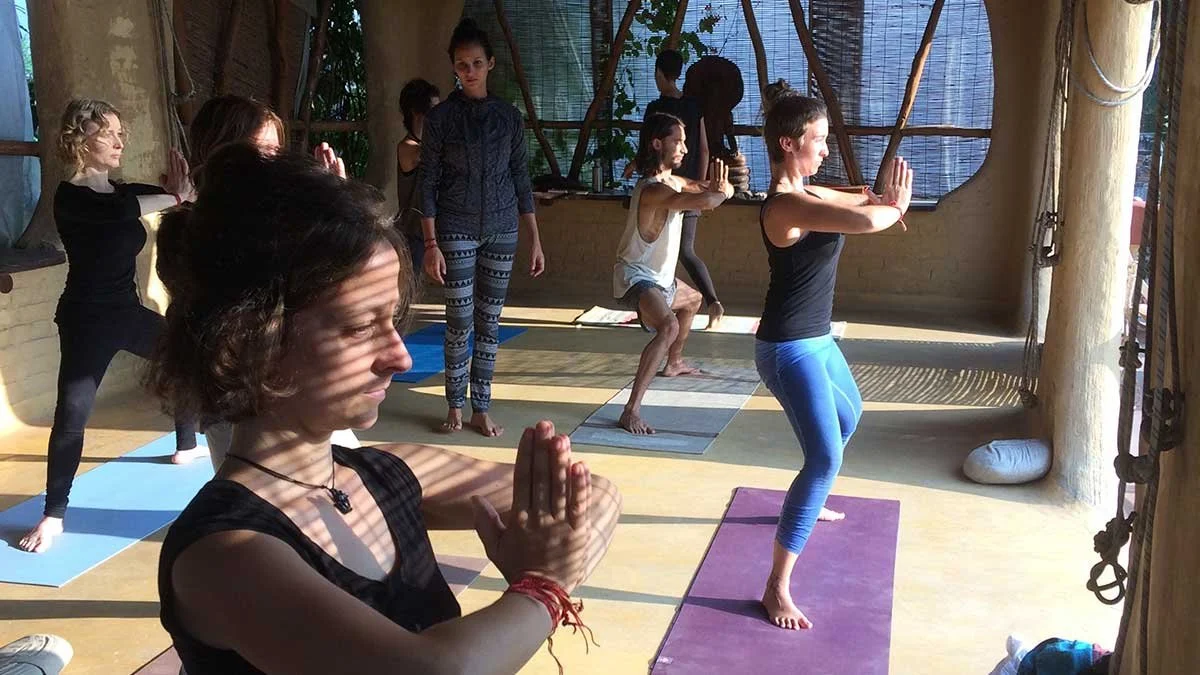
Three Week Hatha Yoga Immersion: Asana, Pranayama & Meditation Residential Course
Spend the final weeks of the year immersed in the practice of Hatha Yoga while living the daily rhythm of an authentic ashram between Rishikesh and Haridwar, in the foothills of the Himalayas. Concluding with the celebration of New Year's Eve, this three-week residential course offers an opportunity to end the year with reflection, discipline, and renewed intention.
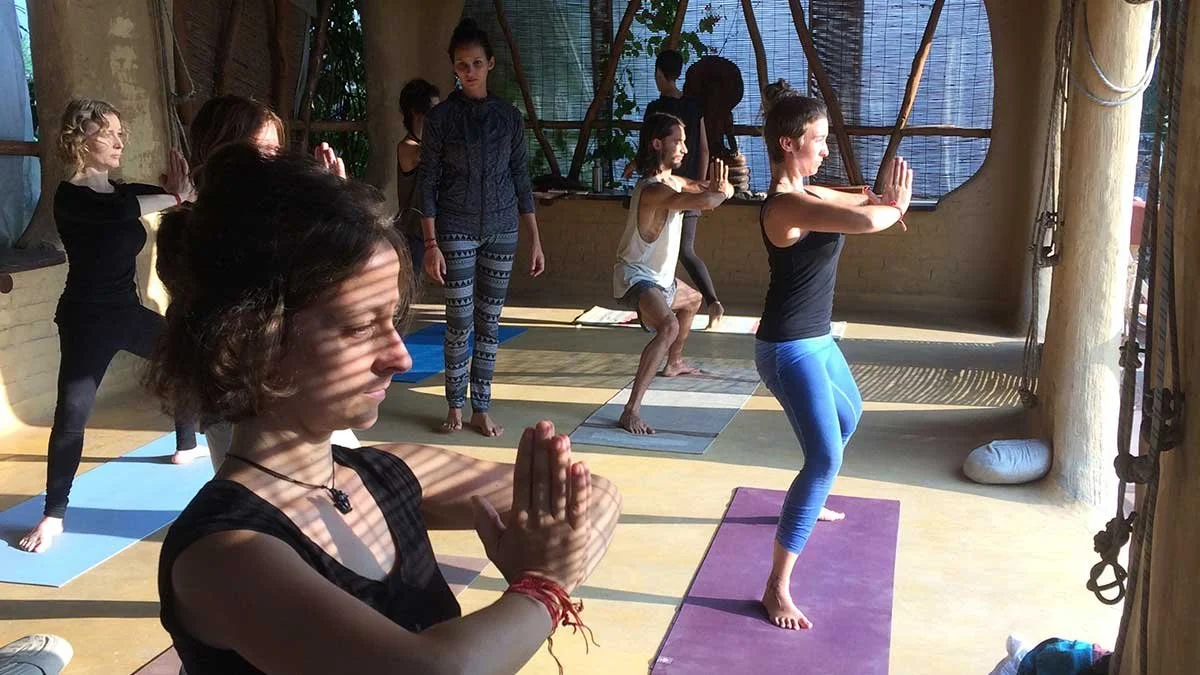
Guided by Mandakini Puri, Ganga Puri, and other available teachers, the course provides a practical introduction to āsana, prāṇāyāma, and meditation within the supportive environment of ashram life. Suitable for both beginners and experienced practitioners, classes are adapted to the needs of the participants while leaving ample time for self-practice and personal study.
Beyond the yoga sessions themselves, participants are invited to experience the broader path of sādhana through karma yoga, community living, meditation, Vedic chanting, and the simplicity of a traditional daily routine. The residential format allows yoga to become not only a practice, but a way of living.
Typical Daily Routine (subject to change)
4:00 am – Awakening conch, ārati, silent meditation & herbal tea
7:30 am – Asana
9:00 am – Breakfast
10:00 am – Karma Yoga
11:00 am – Svādhyāya (self-study)
1:00 pm – Lunch
3:00 pm – Herbal tea
4:00 pm – Prāṇāyāma & Meditation
6:00 pm – Dinner
7:15 pm – Vedic chanting by the dhuni
8:00 pm – Meditation or Kirtan
9:00 pm – Lights out
Welcoming the New Year within the peaceful atmosphere of the ashram offers a meaningful alternative to conventional celebrations—a chance to begin the year grounded in practice, community, and inner reflection.
For enquiries or to register, please contact us or complete the registration form.
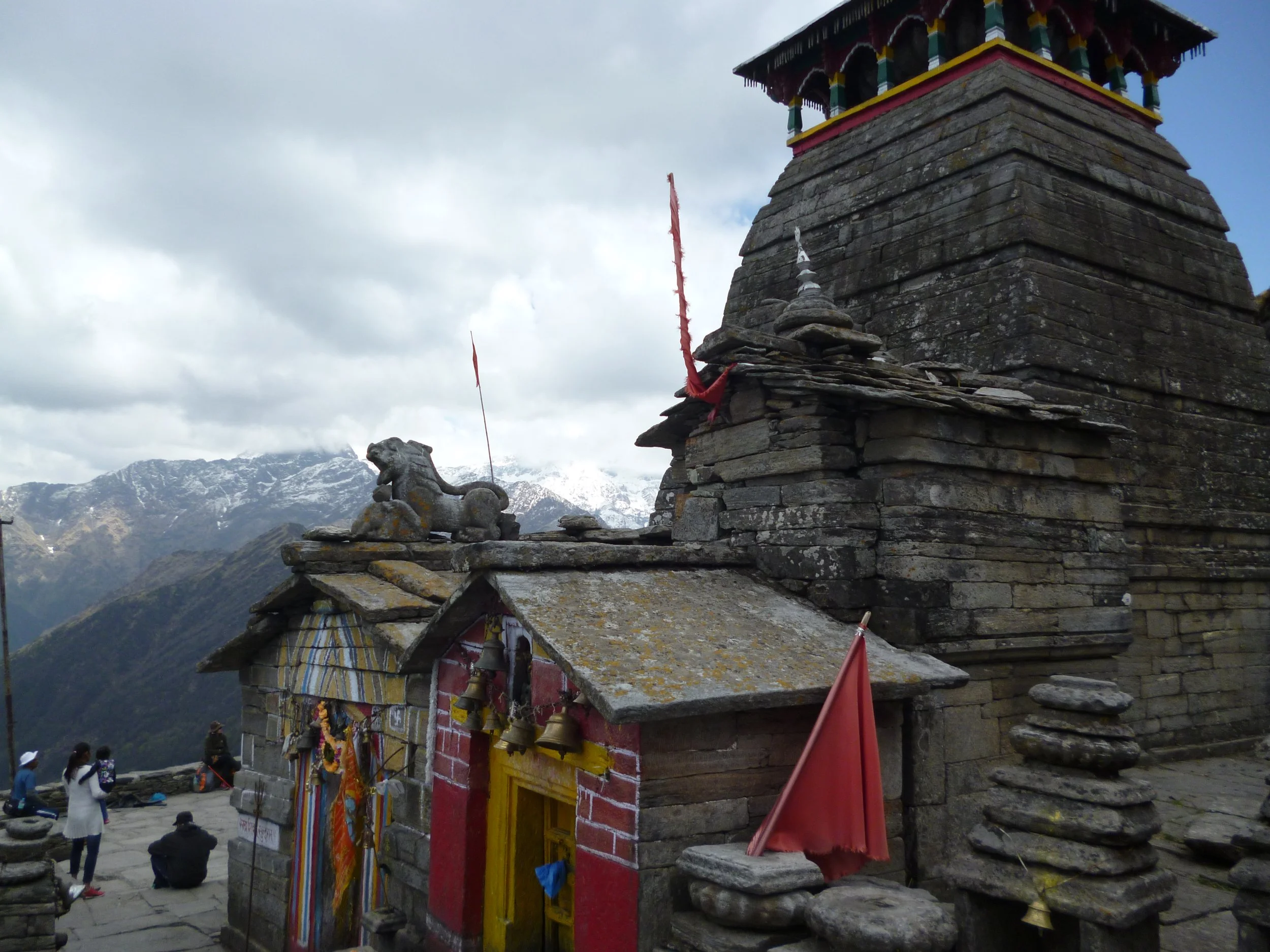
Himalayan Yoga Retreat Tour 2026
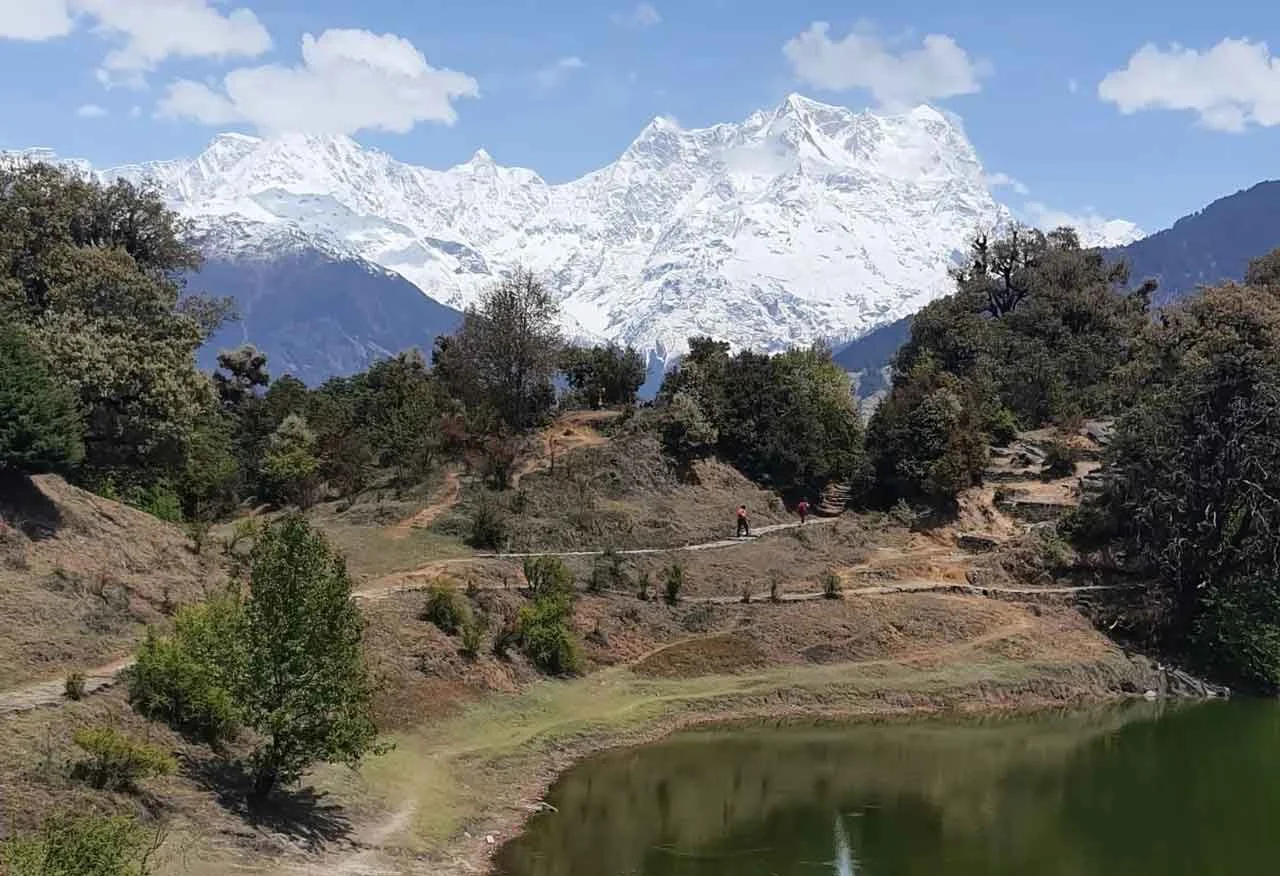
Temples, Treks, & Sadhana… Joining a “YogAnga Himalayan Yoga Retreat” is an opportunity to take your sādhana (yoga practice) on the trail.
In this two week Himalayan Yoga Retreat Tour 2026, led by Ganga Puri, you’ll get the opportunity to meditate, practice asanas, play kirtan, learn to cook Ayurvedic food on the fire, and trek, all while exploring historical pilgrimages sites throughout the Indian Himalayas.
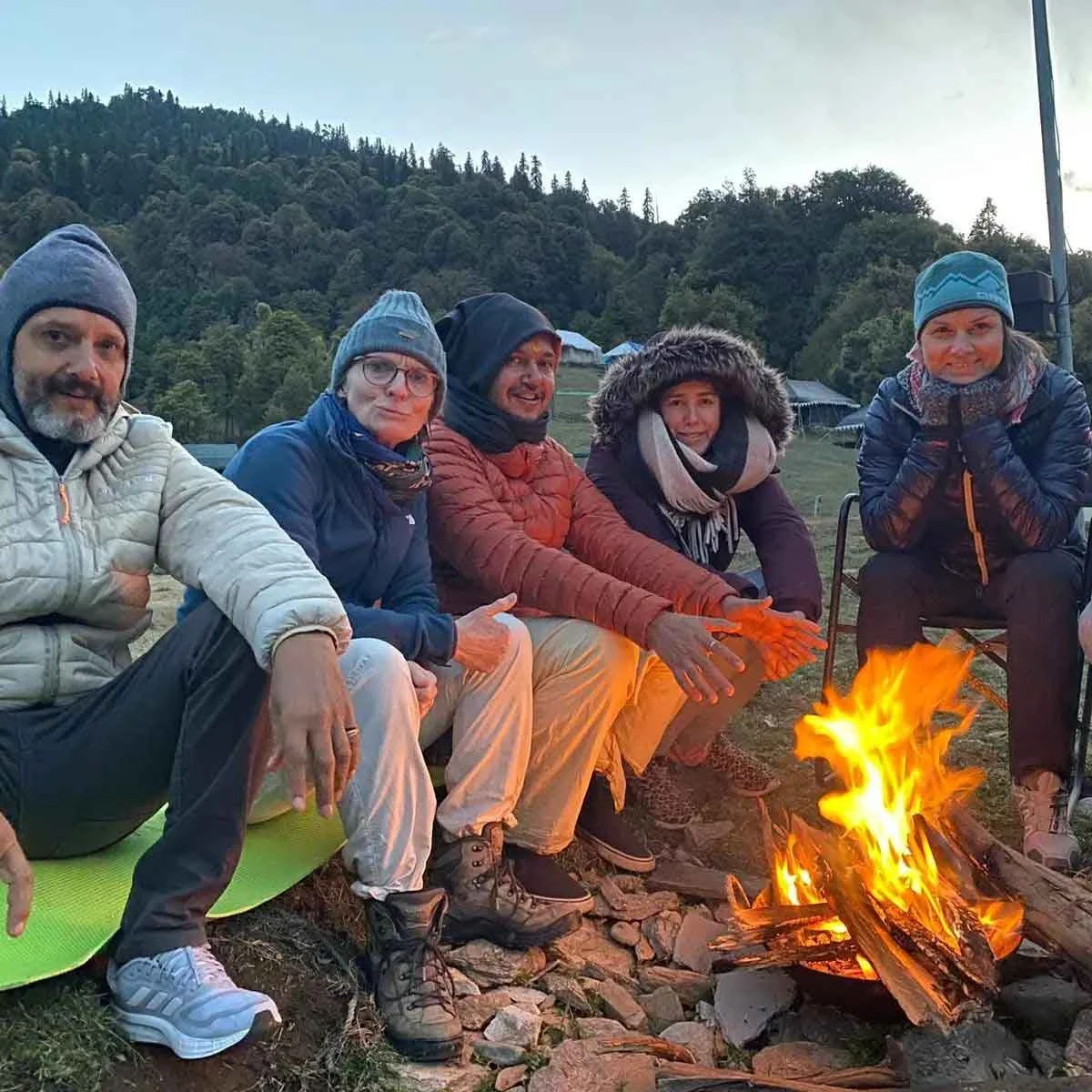
Himalayan Yoga Retreat Tour 2024: a transformational journey of your life!
Example Himalayan Yoga Retreat Tour Schedule:
[Actual Daily Routine and Travel Route Details may change]
Day 01: Ashram Stay
Orientation Day: following the ashram daily routine
Day 02: Day Trip to Rishikesh
Morning yoga and breakfast at the ashram and then 18km drive to Rishikesh.
Lunch, ganga dip, evening Arati and dinner. Back by late evening for a relaxed stay at the ashramDay 03: drive from Ashram > Devprayag
Early morning drive from the ashram to Devprayag. Arrive and transfer to the river side nature Resort. Small 2km trek to nearby templeDay 04: morning drive > Chopta Magpie EcoTourism Camp
Remaining day to relax and to acclimatise. Dinner at the campDay 05: Chopta > Tungnath Mandir (temple) 6hrs trek
Morning yoga and breakfast – enjoying the panoramic view of various well-known peaks. Then drive to 6km trek up and down from Tungnath temple to our Camp with luxury tents. Dinner at the campDay 06: Chopta to Mandal
Morning yoga – enjoying the panoramic view of various well-known peaks after the breakfast an hour drive to Mandal and the 4km up trek to Anusuya temple. 2km to Atri Cave and waterfall. 6km down trek to Mandal and then an hour drive to our CampDay 07: Uttarkashi Drive 6-7 Hrs.
Morning yoga and breakfast and off to a long curvy drive 6-7 hrs towards Uttarkashi. Overnight guest house stay at Natala.Day 08: Harsil > Gangotri temple
Morning breakfast at river side restaurant and 3hrs drive to Harsil. Then joining the trek or slow drive together with the Temple statue and local people (6-8hrs)Day 09: Gangotri
Yoga along the Ganga. Meals in town. Short local forest walks. Visit the famous Gangotri Mandir (temple) in the evening. Dinner.Day 10: Gangotri > Bhojbasa Trek : 5- 6 Hrs. Overnight Camp
In the morning after breakfast visiting the famous Gangotri temple, later trek to Bhojbasa, the entire trek is along the roaring Bhagirathi river arrive at Bhojbasa and camp afternoon free to explore the area and to enjoy an excellent sunset on Bhagirathi group of peaks. Dinner and overnight in tentsDay 11: Bhojbasa > Gaumukh Glacier
In the morning enjoying the panoramic view of Bhagirathi group of peaks, after breakfast trek to Gaumukh, meditation at the source of the Ganges, explore the area and trek to Bhojbasa, dinner and overnight at campDay 12: Bhojbasa > Gangotri Trek: 4-5 Hrs – Overnight stay at our guest house
We trek down to Gangotri (11kms), meals and overnight stay at guest- house with Morning Yoga on the Himalayan natural flooring and after breakfast.Day 13 : Gangotri > Rishikesh Drive: 8-9 Hrs.
Taking the early morning car to Rishikesh, stop for a refreshing hot water bath at the Gangnani hot springs, packed lunch enroute, arrive late evening and stay the night at Santosh Puri Ashram.
Day 14: Ashram Stay
Closing Day: one may decide to stay longer at the ashram or move on to the desired destination.
Contact us for enquiries or click the button below to fill out the registration form.
What kind of Visa Should I get?
Please visit the official government website for the latest updates on which visas are available.